
Importance of Regular Dental Checkups Chula Vista CA – Gentle Preventive Care, Comfortable Exams, and Modern Treatment Options

You hear the welcome when a dental team explains how routine visits prevent small issues from becoming painful, costly problems. Regular dental checkups in Chula Vista protect your smile by catching decay, gum disease, and other issues early—saving time, money, and discomfort.
They highlight personalized care you can expect at local practices, from gentle cleanings to tailored prevention plans that fit busy schedules. Expect clear explanations, modern treatments, and a focus on comfort so you feel confident about each visit.
Local dentists also connect oral health to overall wellness and offer family-friendly care that keeps children and adults healthy. Stay tuned to learn what happens during a visit, how to ease common worries, and simple next steps to keep your smile strong.
How Regular Dental Visits Safeguard Oral Health
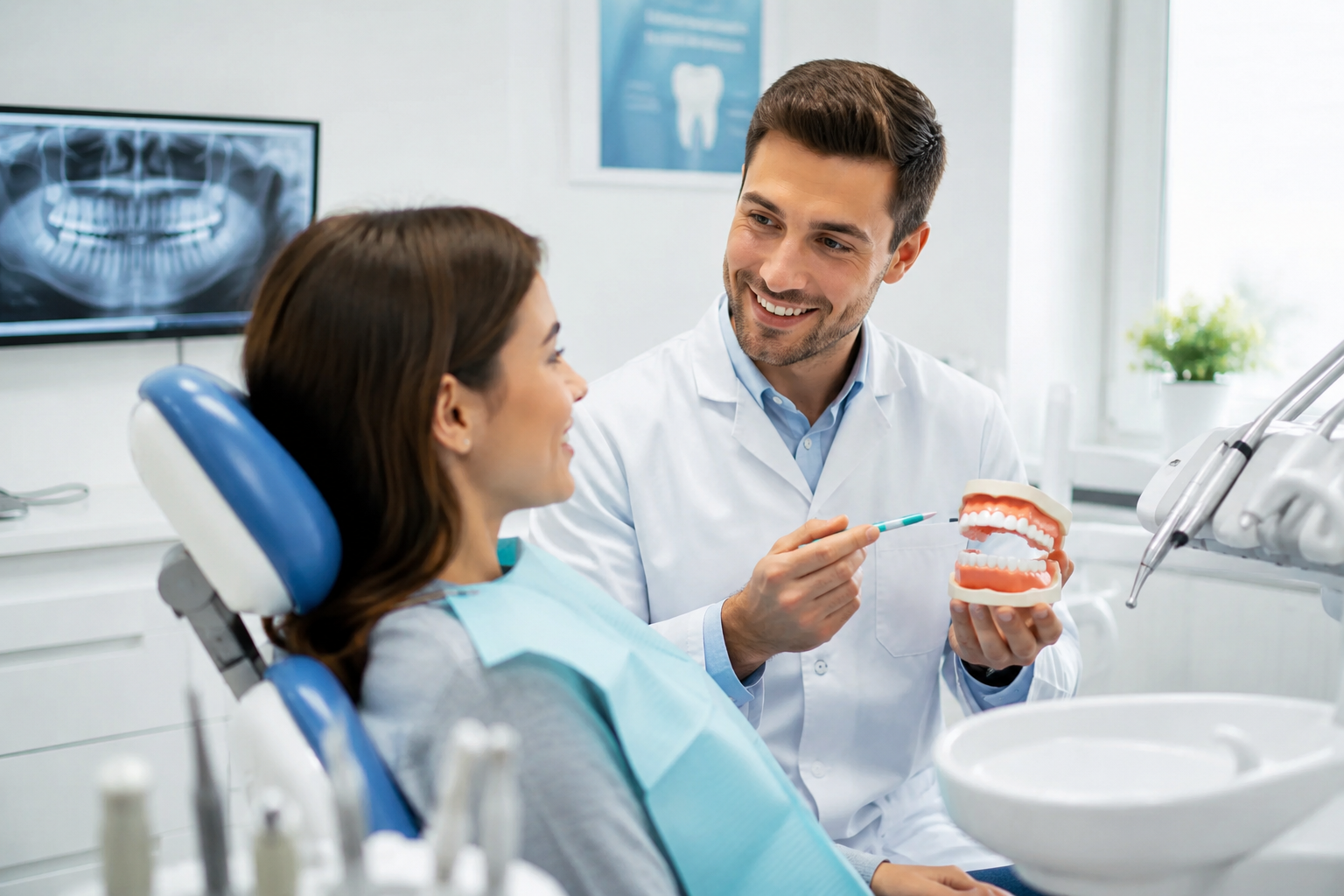
Regular dental visits help prevent decay, catch problems early, and reduce the risk of sudden dental emergencies. Routine exams, professional cleanings, and targeted screenings work together to keep teeth, gums, and oral tissues healthy and comfortable.
Prevention of Tooth Decay and Gum Disease
Professional cleanings remove hardened tartar that toothbrushes and floss can’t eliminate. When dental hygienists scale teeth and polish surfaces, they reduce bacterial buildup that leads to cavities and gingivitis. Fluoride treatments and dental sealants provide added protection by strengthening enamel and creating barriers on chewing surfaces of molars.
Dentists also assess diet, home care, and medication effects that increase decay risk. They recommend specific toothpaste, mouthwash, or interdental tools and show technique adjustments that cut plaque formation. For patients with high decay risk, dentists may schedule more frequent cleanings and apply topical antimicrobials to interrupt disease progression.
Detection of Early Oral Health Issues
During exams, dentists inspect teeth, gums, tongue, and soft tissues for small changes that patients often miss. Digital X-rays and intraoral cameras reveal cavities between teeth, bone loss, and early root or sinus-related issues before pain develops. Early detection allows minimally invasive treatments such as composite fillings, periodontal therapy, or monitoring rather than extensive restorative work.
Dentists document findings to track changes across visits, enabling timely interventions when a lesion grows or bone loss accelerates. They also screen for systemic signs that show in the mouth—like dry mouth from medications or oral manifestations of diabetes—and coordinate care with physicians when needed.
Protection Against Dental Emergencies
Regular care identifies weak fillings, cracked teeth, and advanced decay before they fracture during eating or sports. Repairing these at an early stage prevents sudden pain, infections, or emergency root canals. Dentists also fit mouthguards for bruxism or athletic activities to prevent chip and fracture injuries.
For patients with existing restorations, routine checkups confirm crowns, bridges, and implants remain stable and sealed. When a potential emergency is spotted, clinicians provide same-day stabilization or prioritized appointments to avert abscesses and complex surgery. Patients gain peace of mind knowing a care plan is in place if an urgent issue arises.
Personalized Care in Chula Vista: What To Expect
Patients receive individualized treatment plans, clear explanations of procedures, and appointments paced for comfort. Staff focus on prevention, use modern diagnostics, and discuss cost and scheduling options before treatment begins.
Comprehensive Dental Exams
The office begins with a full-mouth evaluation that includes a visual exam, periodontal charting, and bite assessment. Dentists review medical history, medications, and any dental concerns to tailor the exam to the patient’s health profile.
Digital X-rays or intraoral scans are taken as needed to identify cavities, bone loss, or hidden infections. Findings are explained with images on-screen so patients see the problem, the cause, and the proposed solution in plain language.
The exam concludes with a written or digital treatment plan showing priorities, estimated costs, and timelines. Staff answer insurance questions and outline next steps to minimize surprises and make follow-up care straightforward.
Professional Cleanings and Their Benefits
A dental hygienist performs scaling and polishing customized to the patient’s gum health and plaque levels. For healthy gums, routine scaling removes soft plaque and superficial stains; for gum disease, deeper root planing targets bacteria below the gumline.
Cleanings reduce bleeding, lower infection risk, and slow tooth wear by removing mineralized tartar that brushing cannot eliminate. Hygienists also apply fluoride or desensitizing agents when indicated to strengthen enamel and reduce sensitivity.
Hygienists provide targeted oral hygiene coaching—brushing technique, flossing tools, and product recommendations—based on the patient’s mouth shape and restorations. They schedule recall intervals (three, four, or six months) depending on individual risk factors.
Modern Technology for Comfort and Accuracy
Chula Vista clinics commonly use digital X-rays, cone-beam CT when needed, and intraoral scanners to produce accurate images with less radiation and faster turnaround. These tools enable precise diagnoses for cavities, root canals, implants, and orthodontic planning.
Laser devices and air polishing reduce discomfort during soft-tissue procedures and stain removal by minimizing pressure and heat. Local anesthesia delivery systems and topical numbing reduce pain and anxiety for needle-sensitive patients.
Electronic records, chairside imaging, and same-day crown milling (CAD/CAM) streamline treatment and lower the number of visits. Front-desk staff use online scheduling and text reminders to make appointments and follow-ups easier for busy patients.
The Link Between Oral Health and Overall Wellness
Poor gum disease and untreated tooth infections can affect far more than the mouth. Routine dental care helps catch problems early and reduces risks that reach the heart, blood sugar control, and other organs.
Oral Health’s Effect on Heart and Diabetes Risk
Gum inflammation from periodontitis increases levels of systemic inflammation and circulating bacteria, which can contribute to atherosclerosis. Studies show people with moderate to severe gum disease have higher rates of coronary artery disease and stroke; controlling gum inflammation can lower inflammatory markers like C-reactive protein.
For people with diabetes, gum disease makes blood sugar harder to manage. Advanced periodontal infection raises insulin resistance and can increase HbA1c levels. Conversely, treating periodontal disease often improves glycemic control; dentists and primary care providers should coordinate care for patients with diabetes.
Regular cleanings, targeted deep-scaling when needed, and prompt treatment of infections reduce bacterial load and inflammation. These preventive steps help lower cardiovascular and metabolic risk factors that are measurable in routine medical tests.
Early Warning Signs for Other Health Conditions
Oral findings can reveal nutritional deficiencies, autoimmune disease, and even certain cancers. Recurrent mouth ulcers, unexplained bleeding gums, persistent white or red patches, and nonhealing sores require timely dental evaluation and, when indicated, referral for medical workup or biopsy.
Dry mouth (xerostomia) may signal medication side effects, Sjögren’s syndrome, or poorly controlled diabetes. Sudden changes in taste, sudden tooth mobility without trauma, and jaw pain on chewing can point to systemic issues that need medical assessment.
Dentists in Chula Vista can document these signs, perform adjunctive tests (such as oral cancer screening), and communicate findings to physicians. Early detection through routine exams speeds diagnosis and improves treatment outcomes.
Caring For Children’s Smiles
Regular routines, age‑appropriate products, and a calm attitude make a big difference in children’s oral health. Parents should focus on daily brushing and limiting sugary drinks while planning dental visits that build trust and reduce fear.
Establishing Healthy Habits Early
Parents should begin cleaning an infant’s gums with a soft, damp cloth after feedings and transition to a child‑size toothbrush with fluoride toothpaste by the first tooth eruption. Use a smear of fluoride toothpaste for children under 3 and a pea‑sized amount from ages 3–6. Supervise brushing until about age 7–8 to ensure proper two‑minute technique and reach all surfaces.
Offer tooth‑friendly snacks like cheese, plain yogurt, raw vegetables, and whole fruit instead of sticky candies or juice boxes. Limit sugary drinks to mealtimes and encourage water between meals. Schedule the first dental visit by the child’s first birthday or within six months of the first tooth to catch issues early and to get individualized preventive advice such as fluoride varnish or sealants when appropriate.
Making Dental Visits Fun and Stress-Free
Choose a pediatric‑friendly dentist in Chula Vista who uses positive language, explains tools in simple terms, and allows the child to handle non‑sharp instruments. Role‑play home visits: practice sitting in a “dentist chair,” counting teeth, and using a toothbrush timer to demystify the experience. Bring a favorite toy or blanket for comfort during appointments.
Ask the office about short, early morning slots to avoid nap conflicts and about sedation options only when clinically necessary. Expect the team to offer visual aids, stickers, and praise to reinforce cooperation. If a child shows anxiety, gradual exposure visits—just meeting staff and touring the office—often reduce fear more effectively than a single intimidating appointment.
Addressing Common Concerns About Dental Checkups
Patients often worry about pain, cost, and time. Practical steps, payment options, and calming techniques make checkups manageable and effective.
Overcoming Dental Anxiety
Many patients describe anxiety as fear of pain, needles, or loss of control. Dentists in Chula Vista use topical numbing gel, slow-acting local anesthetics, and sedation options (nitrous oxide or oral sedatives) to reduce discomfort and ease nerves.
Clinics train staff in calming communication and allow signal systems (raising a hand) so patients feel in control during procedures. Short, scheduled “get-to-know-you” visits help build trust before any invasive work begins.
Breathing exercises, noise-cancelling headphones, and viewing options (TV or sunglasses) provide immediate relief for sensitive patients. For severe anxiety, dentists coordinate with primary care or mental health professionals to create a safe, stepwise treatment plan.
Affordable Options for Families
Cost often deters families from regular care, but multiple options exist in Chula Vista to make checkups affordable. Many practices offer in-house payment plans, sliding-scale fees for qualifying patients, and membership plans that cover exams and cleanings for a predictable annual cost.
Most dental offices accept major PPO plans and Medicaid/CHIP for children; verifying benefits before an appointment reduces unexpected bills. Preventive care like twice-yearly cleanings and fluoride treatments prevents expensive restorative work later, saving money over time.
Community clinics and dental schools provide low-cost or reduced-fee services; appointments may take longer but deliver supervised, quality care. Ask a local office about financing partners, CARES programs, or bundled family plans to find a fit for budgets and schedules.
The Chula Vista Dental Experience: What Sets Local Practices Apart
Patients in Chula Vista often find a neighborhood feel at local dental offices. Practices focus on building long-term relationships, so care tends to be more personalized than in larger corporate chains.
Many clinics prioritize comfort with amenities like soothing operatory lighting, noise-cancelling options, and gentle chairside manner. Staff members typically explain procedures in plain language and invite questions to reduce anxiety.
Modern technology is common across the city—digital X-rays, intraoral cameras, and same-day restorations are examples. These tools speed diagnosis and often reduce the number of visits needed.
Preventive care is emphasized: routine cleanings, fluoride, and tailored home-care advice are standard. Dentists in Chula Vista usually tailor prevention plans to each patient’s lifestyle and risk factors.
Affordability and access matter locally. Practices frequently accept various insurance plans, offer flexible payment options, and provide bilingual staff to serve diverse communities.
Patients can expect clear treatment plans that list options, costs, and timelines. That transparency helps people make informed choices and feel more comfortable moving forward.
If a reader wants to compare offices, consider comfort, technology, communication style, and payment flexibility. Scheduling a consultation lets them meet the team and decide which practice feels like the right fit.
Next Steps Toward a Healthier Smile
They should schedule their next dental checkup within six months to maintain preventive care and catch issues early. Regular visits keep teeth clean and help the dentist monitor changes that might need attention.
Patients can prepare by keeping a short list of questions or symptoms to discuss. Mention any pain, sensitivity, or changes in bite so the team can tailor the exam and X-rays if needed.
Daily habits matter: brush twice, floss once, and use fluoride toothpaste. Small, consistent steps reduce the chance of cavities and gum disease over time.
Consider professional options that increase comfort and outcomes. Many Chula Vista practices offer digital X-rays, same-day restorations, and sedation choices for anxious patients.
Use this quick checklist before the appointment:
- Bring insurance information and a list of medications.
- Note recent medical changes or new medications.
- Arrive a few minutes early to complete forms.
They should ask about personalized preventive plans during the visit. The dentist can recommend frequency of cleanings, at-home products, or minimally invasive treatments based on oral health and lifestyle.
If financial concerns arise, inquire about payment plans or membership programs. Many offices provide flexible options to make care accessible.
Encourage them to contact the dental office with questions or to book the next visit; staff can explain procedures, safety protocols, and what to expect at the appointment.
Frequently Asked Questions
This section answers practical concerns about scheduling, detection, prevention, procedures, comfort options, and a simple daily habit that supports oral health. It gives clear, local-relevant facts for patients in Chula Vista seeking predictable, comfortable care.
Why do dentists recommend checkups every six months, and is that schedule right for everyone?
Many dentists suggest twice-yearly visits because plaque and tartar accumulate at a predictable rate, and six months balances prevention with practical scheduling. Some patients need more frequent visits—those with gum disease, diabetes, heavy tobacco use, a history of cavities, or orthodontic appliances often benefit from three- or four-month recall intervals.
Dentists assess risk individually and tailor the next-visit interval based on gum measurements, cavity risk, saliva flow, and medical history. Chula Vista practices typically document those factors and set reminders to match each patient’s needs.
What can a routine dental checkup catch early that you might not notice at home?
Professional exams identify small cavities between teeth and under fillings long before they cause pain. X-rays reveal bone loss and hidden decay that visual checks miss.
Dentists also spot early gum disease by measuring pocket depths, detect oral cancer signs on soft tissues, and note wear patterns from grinding that patients often overlook. Early detection lets clinicians treat conservatively and avoid emergency visits.
How do regular cleanings help prevent gum disease and bad breath over time?
Hygienists remove hardened tartar above and below the gumline; patients cannot remove this at home with a toothbrush alone. That removal reduces bacterial load and inflammation that drive gum disease and persistent halitosis.
Regular professional cleanings also polish rough tooth surfaces where bacteria cling, and clinicians reinforce brushing and flossing technique. Over months and years, consistent maintenance lowers the chance of gum pocket formation and tooth loss.
What happens during a dental exam and cleaning, and how long does it usually take?
A typical adult exam includes medical history review, oral cancer screening, periodontal probing, and dental X-rays if due. A routine prophylaxis cleaning involves scaling, polishing, and fluoride application when appropriate.
Most checkups and cleanings take about 45–60 minutes for a healthy adult. Patients with more complex needs—deep scaling for periodontitis or several X-rays—should expect 60–90 minutes.
If you have dental anxiety, what comfort options can make checkups feel easier?
Many clinics in Chula Vista offer nitrous oxide (laughing gas), oral sedatives, or IV sedation for moderate to severe anxiety. Staff also use relaxation techniques, headphones with music, and stepwise explanations to reduce stress.
Patients should call ahead to discuss sedation history, medical conditions, and appointment length so the office can plan and provide a calm, predictable visit.
What is the 3-3-3 rule in dentistry, and how can it help improve your daily routine?
The 3-3-3 rule recommends brushing three minutes, three times a day, and replacing your toothbrush every three months. Extending brushing time to three minutes improves plaque removal compared with the typical one-minute habit.
Following that rule plus daily flossing and using fluoride toothpaste supports cavity prevention and fresher breath between professional visits. Patients who adopt this routine often see measurable improvement at their next hygiene appointment.