Importance of Regular Dental Checkups Chula Vista CA

Importance of Regular Dental Checkups Chula Vista CA – Gentle Preventive Care, Comfortable Exams, and Modern Treatment Options

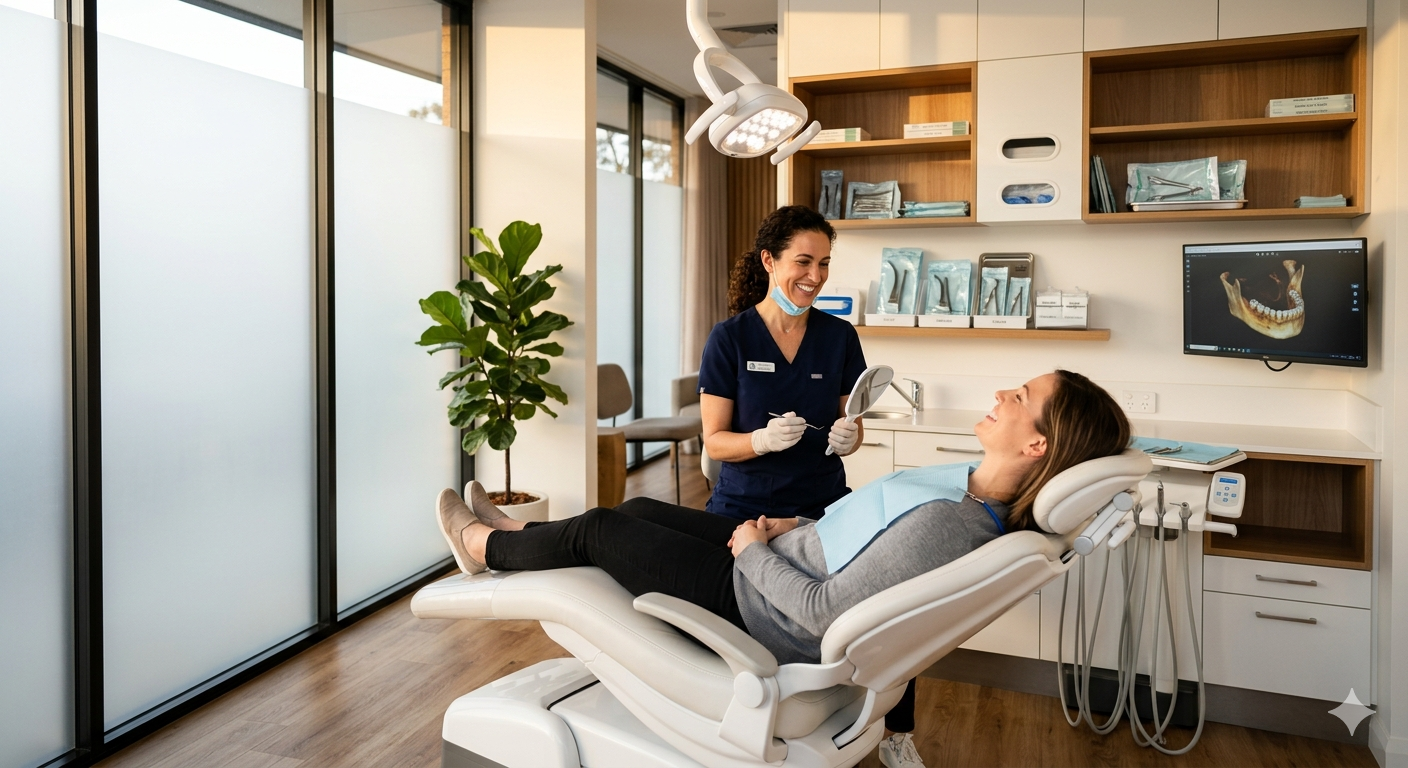
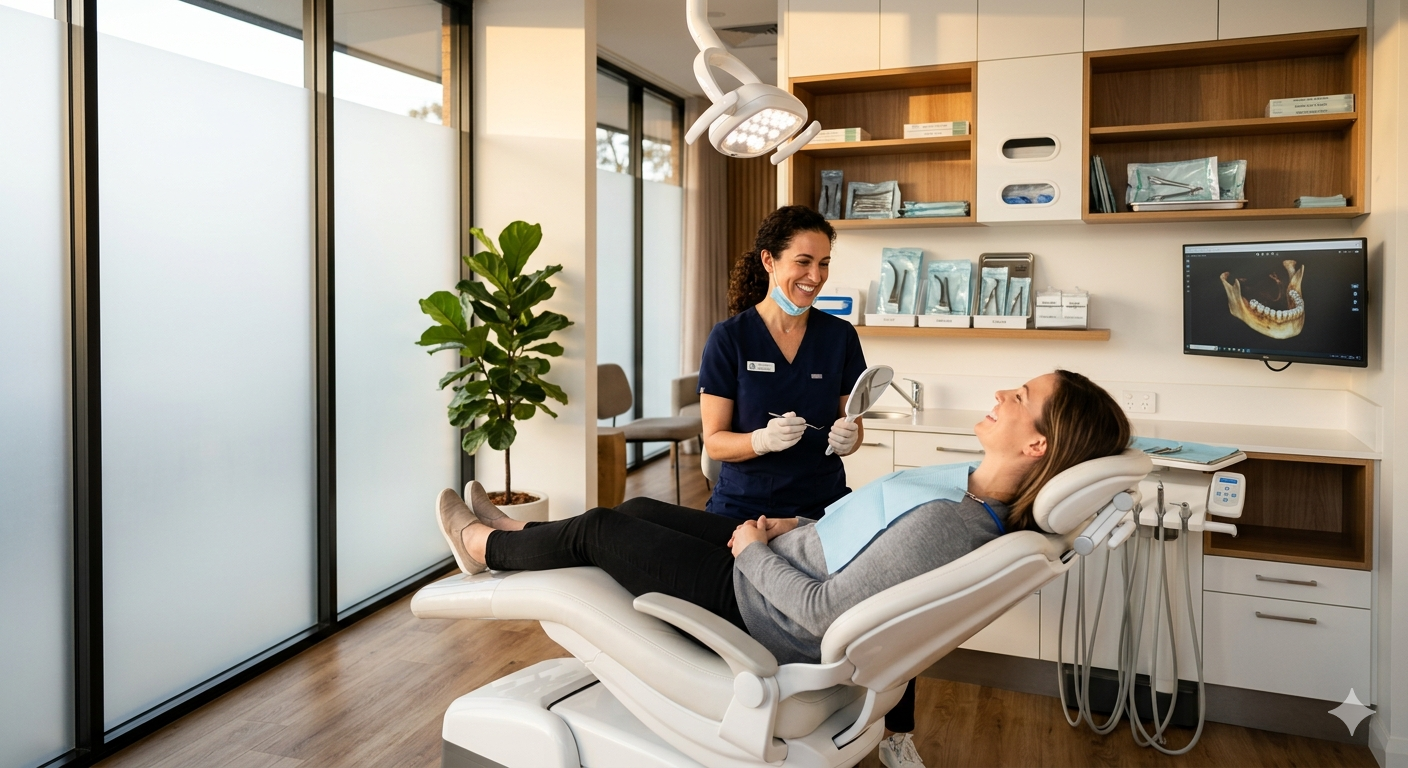
You hear the welcome when a dental team explains how routine visits prevent small issues from becoming painful, costly problems. Regular dental checkups in Chula Vista protect your smile by catching decay, gum disease, and other issues early—saving time, money, and discomfort.

They highlight personalized care you can expect at local practices, from gentle cleanings to tailored prevention plans that fit busy schedules. Expect clear explanations, modern treatments, and a focus on comfort so you feel confident about each visit.

Local dentists also connect oral health to overall wellness and offer family-friendly care that keeps children and adults healthy. Stay tuned to learn what happens during a visit, how to ease common worries, and simple next steps to keep your smile strong.

How Regular Dental Visits Safeguard Oral Health
Blog image

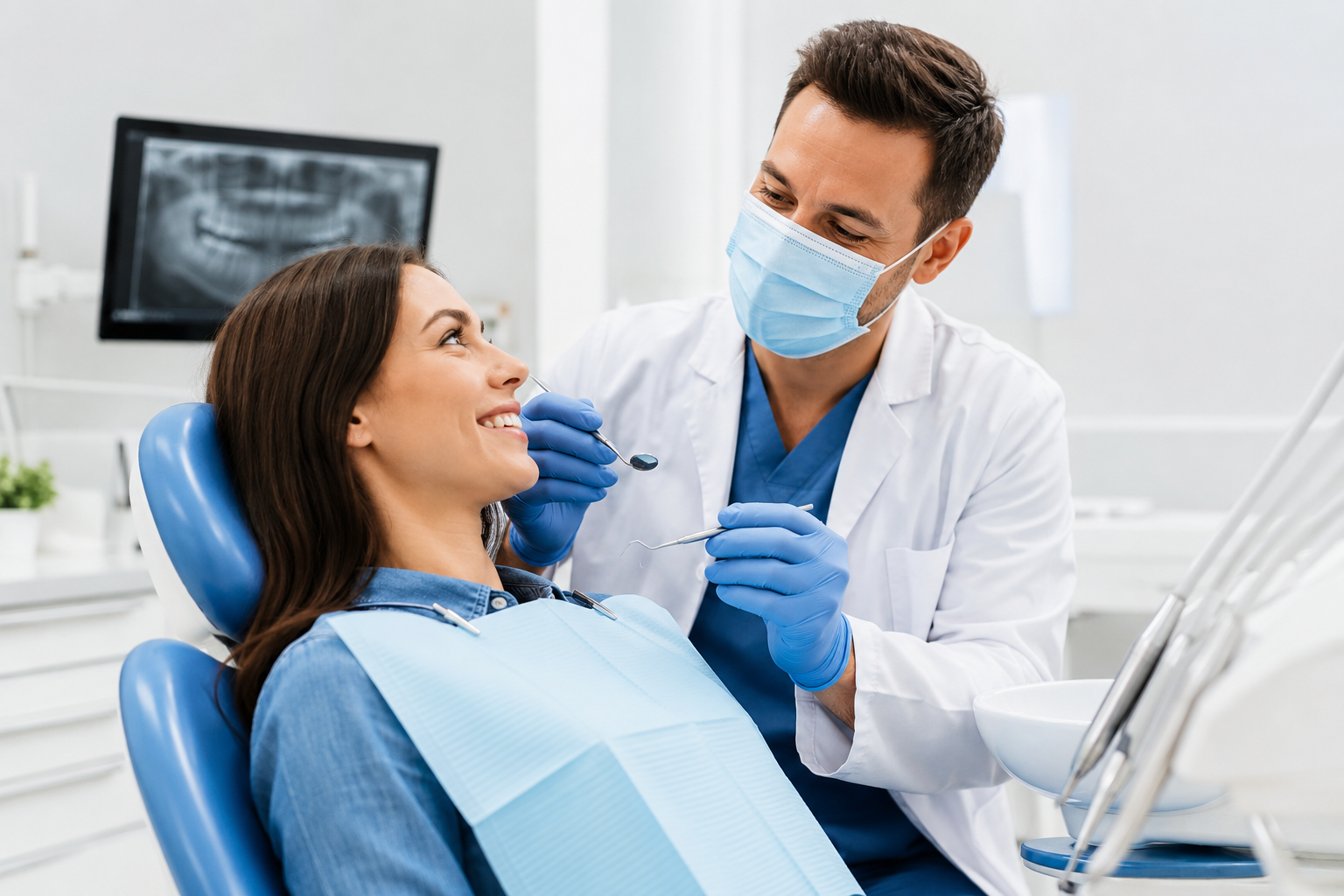
Regular dental visits help prevent decay, catch problems early, and reduce the risk of sudden dental emergencies. Routine exams, professional cleanings, and targeted screenings work together to keep teeth, gums, and oral tissues healthy and comfortable.

Prevention of Tooth Decay and Gum Disease

Professional cleanings remove hardened tartar that toothbrushes and floss can’t eliminate. When dental hygienists scale teeth and polish surfaces, they reduce bacterial buildup that leads to cavities and gingivitis. Fluoride treatments and dental sealants provide added protection by strengthening enamel and creating barriers on chewing surfaces of molars.

Dentists also assess diet, home care, and medication effects that increase decay risk. They recommend specific toothpaste, mouthwash, or interdental tools and show technique adjustments that cut plaque formation. For patients with high decay risk, dentists may schedule more frequent cleanings and apply topical antimicrobials to interrupt disease progression.

Detection of Early Oral Health Issues

During exams, dentists inspect teeth, gums, tongue, and soft tissues for small changes that patients often miss. Digital X-rays and intraoral cameras reveal cavities between teeth, bone loss, and early root or sinus-related issues before pain develops. Early detection allows minimally invasive treatments such as composite fillings, periodontal therapy, or monitoring rather than extensive restorative work.

Dentists document findings to track changes across visits, enabling timely interventions when a lesion grows or bone loss accelerates. They also screen for systemic signs that show in the mouth—like dry mouth from medications or oral manifestations of diabetes—and coordinate care with physicians when needed.

Protection Against Dental Emergencies

Regular care identifies weak fillings, cracked teeth, and advanced decay before they fracture during eating or sports. Repairing these at an early stage prevents sudden pain, infections, or emergency root canals. Dentists also fit mouthguards for bruxism or athletic activities to prevent chip and fracture injuries.

For patients with existing restorations, routine checkups confirm crowns, bridges, and implants remain stable and sealed. When a potential emergency is spotted, clinicians provide same-day stabilization or prioritized appointments to avert abscesses and complex surgery. Patients gain peace of mind knowing a care plan is in place if an urgent issue arises.

Personalized Care in Chula Vista: What To Expect

Patients receive individualized treatment plans, clear explanations of procedures, and appointments paced for comfort. Staff focus on prevention, use modern diagnostics, and discuss cost and scheduling options before treatment begins.

Comprehensive Dental Exams

The office begins with a full-mouth evaluation that includes a visual exam, periodontal charting, and bite assessment. Dentists review medical history, medications, and any dental concerns to tailor the exam to the patient’s health profile.

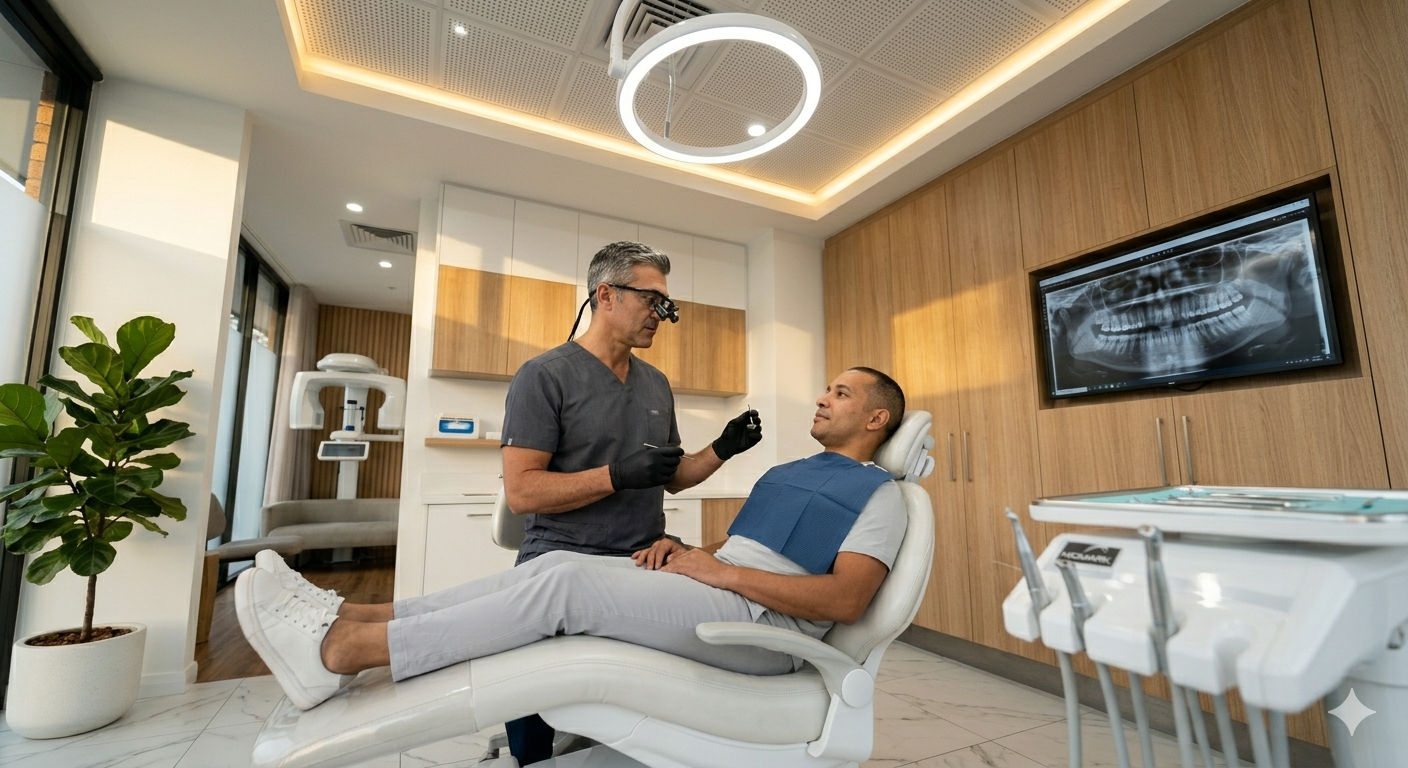
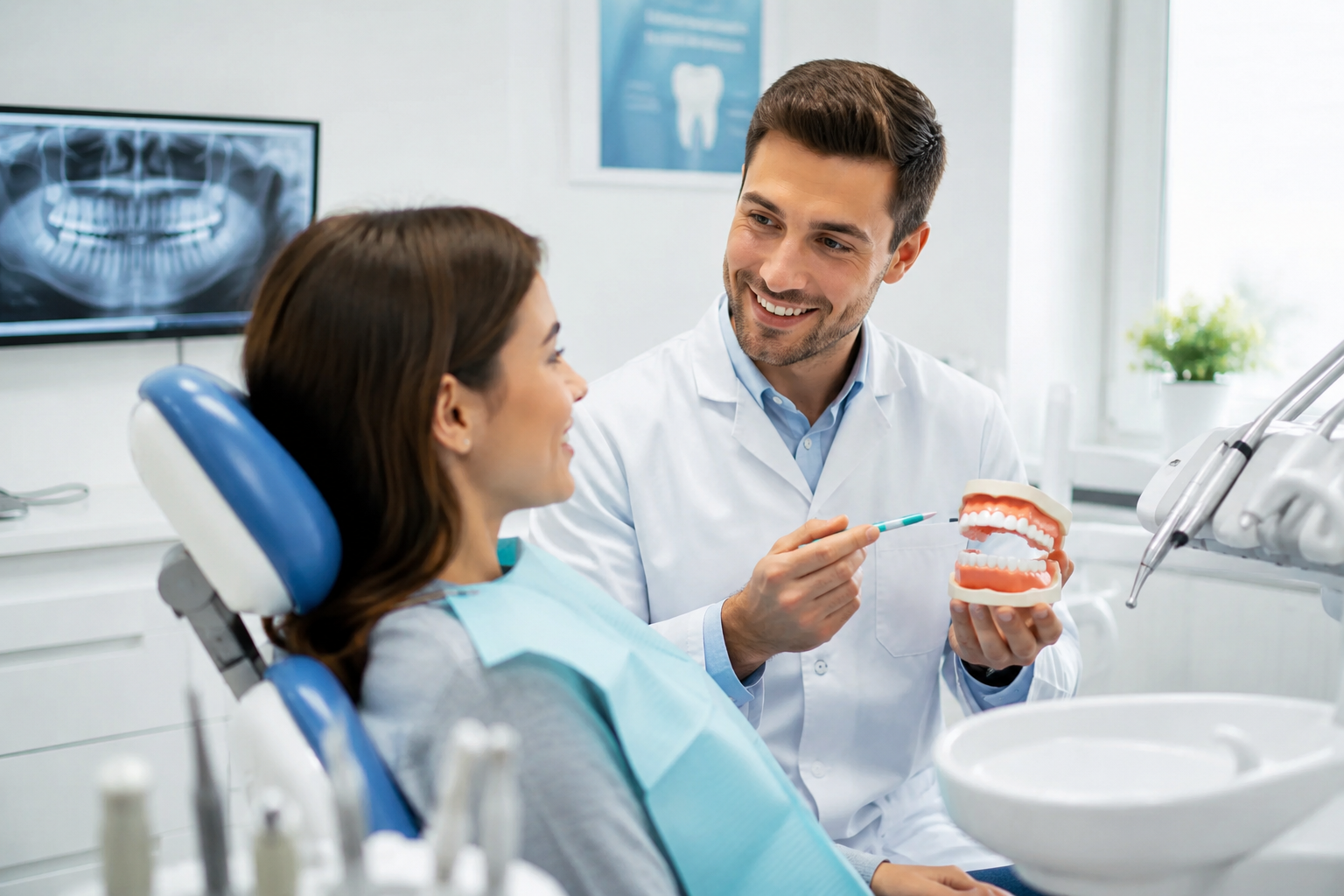
Digital X-rays or intraoral scans are taken as needed to identify cavities, bone loss, or hidden infections. Findings are explained with images on-screen so patients see the problem, the cause, and the proposed solution in plain language.

The exam concludes with a written or digital treatment plan showing priorities, estimated costs, and timelines. Staff answer insurance questions and outline next steps to minimize surprises and make follow-up care straightforward.

Professional Cleanings and Their Benefits

A dental hygienist performs scaling and polishing customized to the patient’s gum health and plaque levels. For healthy gums, routine scaling removes soft plaque and superficial stains; for gum disease, deeper root planing targets bacteria below the gumline.

Cleanings reduce bleeding, lower infection risk, and slow tooth wear by removing mineralized tartar that brushing cannot eliminate. Hygienists also apply fluoride or desensitizing agents when indicated to strengthen enamel and reduce sensitivity.

Hygienists provide targeted oral hygiene coaching—brushing technique, flossing tools, and product recommendations—based on the patient’s mouth shape and restorations. They schedule recall intervals (three, four, or six months) depending on individual risk factors.

Modern Technology for Comfort and Accuracy

Chula Vista clinics commonly use digital X-rays, cone-beam CT when needed, and intraoral scanners to produce accurate images with less radiation and faster turnaround. These tools enable precise diagnoses for cavities, root canals, implants, and orthodontic planning.

Laser devices and air polishing reduce discomfort during soft-tissue procedures and stain removal by minimizing pressure and heat. Local anesthesia delivery systems and topical numbing reduce pain and anxiety for needle-sensitive patients.

Electronic records, chairside imaging, and same-day crown milling (CAD/CAM) streamline treatment and lower the number of visits. Front-desk staff use online scheduling and text reminders to make appointments and follow-ups easier for busy patients.

The Link Between Oral Health and Overall Wellness

Poor gum disease and untreated tooth infections can affect far more than the mouth. Routine dental care helps catch problems early and reduces risks that reach the heart, blood sugar control, and other organs.

Oral Health’s Effect on Heart and Diabetes Risk

Gum inflammation from periodontitis increases levels of systemic inflammation and circulating bacteria, which can contribute to atherosclerosis. Studies show people with moderate to severe gum disease have higher rates of coronary artery disease and stroke; controlling gum inflammation can lower inflammatory markers like C-reactive protein.

For people with diabetes, gum disease makes blood sugar harder to manage. Advanced periodontal infection raises insulin resistance and can increase HbA1c levels. Conversely, treating periodontal disease often improves glycemic control; dentists and primary care providers should coordinate care for patients with diabetes.

Regular cleanings, targeted deep-scaling when needed, and prompt treatment of infections reduce bacterial load and inflammation. These preventive steps help lower cardiovascular and metabolic risk factors that are measurable in routine medical tests.

Early Warning Signs for Other Health Conditions

Oral findings can reveal nutritional deficiencies, autoimmune disease, and even certain cancers. Recurrent mouth ulcers, unexplained bleeding gums, persistent white or red patches, and nonhealing sores require timely dental evaluation and, when indicated, referral for medical workup or biopsy.

Dry mouth (xerostomia) may signal medication side effects, Sjögren’s syndrome, or poorly controlled diabetes. Sudden changes in taste, sudden tooth mobility without trauma, and jaw pain on chewing can point to systemic issues that need medical assessment.

Dentists in Chula Vista can document these signs, perform adjunctive tests (such as oral cancer screening), and communicate findings to physicians. Early detection through routine exams speeds diagnosis and improves treatment outcomes.

Caring For Children’s Smiles

Regular routines, age‑appropriate products, and a calm attitude make a big difference in children’s oral health. Parents should focus on daily brushing and limiting sugary drinks while planning dental visits that build trust and reduce fear.

Establishing Healthy Habits Early

Parents should begin cleaning an infant’s gums with a soft, damp cloth after feedings and transition to a child‑size toothbrush with fluoride toothpaste by the first tooth eruption. Use a smear of fluoride toothpaste for children under 3 and a pea‑sized amount from ages 3–6. Supervise brushing until about age 7–8 to ensure proper two‑minute technique and reach all surfaces.

Offer tooth‑friendly snacks like cheese, plain yogurt, raw vegetables, and whole fruit instead of sticky candies or juice boxes. Limit sugary drinks to mealtimes and encourage water between meals. Schedule the first dental visit by the child’s first birthday or within six months of the first tooth to catch issues early and to get individualized preventive advice such as fluoride varnish or sealants when appropriate.

Making Dental Visits Fun and Stress-Free

Choose a pediatric‑friendly dentist in Chula Vista who uses positive language, explains tools in simple terms, and allows the child to handle non‑sharp instruments. Role‑play home visits: practice sitting in a “dentist chair,” counting teeth, and using a toothbrush timer to demystify the experience. Bring a favorite toy or blanket for comfort during appointments.

Ask the office about short, early morning slots to avoid nap conflicts and about sedation options only when clinically necessary. Expect the team to offer visual aids, stickers, and praise to reinforce cooperation. If a child shows anxiety, gradual exposure visits—just meeting staff and touring the office—often reduce fear more effectively than a single intimidating appointment.

Addressing Common Concerns About Dental Checkups

Patients often worry about pain, cost, and time. Practical steps, payment options, and calming techniques make checkups manageable and effective.

Overcoming Dental Anxiety

Many patients describe anxiety as fear of pain, needles, or loss of control. Dentists in Chula Vista use topical numbing gel, slow-acting local anesthetics, and sedation options (nitrous oxide or oral sedatives) to reduce discomfort and ease nerves.

Clinics train staff in calming communication and allow signal systems (raising a hand) so patients feel in control during procedures. Short, scheduled “get-to-know-you” visits help build trust before any invasive work begins.

Breathing exercises, noise-cancelling headphones, and viewing options (TV or sunglasses) provide immediate relief for sensitive patients. For severe anxiety, dentists coordinate with primary care or mental health professionals to create a safe, stepwise treatment plan.

Affordable Options for Families

Cost often deters families from regular care, but multiple options exist in Chula Vista to make checkups affordable. Many practices offer in-house payment plans, sliding-scale fees for qualifying patients, and membership plans that cover exams and cleanings for a predictable annual cost.

Most dental offices accept major PPO plans and Medicaid/CHIP for children; verifying benefits before an appointment reduces unexpected bills. Preventive care like twice-yearly cleanings and fluoride treatments prevents expensive restorative work later, saving money over time.

Community clinics and dental schools provide low-cost or reduced-fee services; appointments may take longer but deliver supervised, quality care. Ask a local office about financing partners, CARES programs, or bundled family plans to find a fit for budgets and schedules.

The Chula Vista Dental Experience: What Sets Local Practices Apart

Patients in Chula Vista often find a neighborhood feel at local dental offices. Practices focus on building long-term relationships, so care tends to be more personalized than in larger corporate chains.

Many clinics prioritize comfort with amenities like soothing operatory lighting, noise-cancelling options, and gentle chairside manner. Staff members typically explain procedures in plain language and invite questions to reduce anxiety.

Modern technology is common across the city—digital X-rays, intraoral cameras, and same-day restorations are examples. These tools speed diagnosis and often reduce the number of visits needed.

Preventive care is emphasized: routine cleanings, fluoride, and tailored home-care advice are standard. Dentists in Chula Vista usually tailor prevention plans to each patient’s lifestyle and risk factors.

Affordability and access matter locally. Practices frequently accept various insurance plans, offer flexible payment options, and provide bilingual staff to serve diverse communities.

Patients can expect clear treatment plans that list options, costs, and timelines. That transparency helps people make informed choices and feel more comfortable moving forward.

If a reader wants to compare offices, consider comfort, technology, communication style, and payment flexibility. Scheduling a consultation lets them meet the team and decide which practice feels like the right fit.

Next Steps Toward a Healthier Smile

They should schedule their next dental checkup within six months to maintain preventive care and catch issues early. Regular visits keep teeth clean and help the dentist monitor changes that might need attention.

Patients can prepare by keeping a short list of questions or symptoms to discuss. Mention any pain, sensitivity, or changes in bite so the team can tailor the exam and X-rays if needed.

Daily habits matter: brush twice, floss once, and use fluoride toothpaste. Small, consistent steps reduce the chance of cavities and gum disease over time.

Consider professional options that increase comfort and outcomes. Many Chula Vista practices offer digital X-rays, same-day restorations, and sedation choices for anxious patients.

Use this quick checklist before the appointment:

  • Bring insurance information and a list of medications.
  • Note recent medical changes or new medications.
  • Arrive a few minutes early to complete forms.

They should ask about personalized preventive plans during the visit. The dentist can recommend frequency of cleanings, at-home products, or minimally invasive treatments based on oral health and lifestyle.

If financial concerns arise, inquire about payment plans or membership programs. Many offices provide flexible options to make care accessible.

Encourage them to contact the dental office with questions or to book the next visit; staff can explain procedures, safety protocols, and what to expect at the appointment.

Frequently Asked Questions

This section answers practical concerns about scheduling, detection, prevention, procedures, comfort options, and a simple daily habit that supports oral health. It gives clear, local-relevant facts for patients in Chula Vista seeking predictable, comfortable care.

Why do dentists recommend checkups every six months, and is that schedule right for everyone?

Many dentists suggest twice-yearly visits because plaque and tartar accumulate at a predictable rate, and six months balances prevention with practical scheduling. Some patients need more frequent visits—those with gum disease, diabetes, heavy tobacco use, a history of cavities, or orthodontic appliances often benefit from three- or four-month recall intervals.

Dentists assess risk individually and tailor the next-visit interval based on gum measurements, cavity risk, saliva flow, and medical history. Chula Vista practices typically document those factors and set reminders to match each patient’s needs.

What can a routine dental checkup catch early that you might not notice at home?

Professional exams identify small cavities between teeth and under fillings long before they cause pain. X-rays reveal bone loss and hidden decay that visual checks miss.

Dentists also spot early gum disease by measuring pocket depths, detect oral cancer signs on soft tissues, and note wear patterns from grinding that patients often overlook. Early detection lets clinicians treat conservatively and avoid emergency visits.

How do regular cleanings help prevent gum disease and bad breath over time?

Hygienists remove hardened tartar above and below the gumline; patients cannot remove this at home with a toothbrush alone. That removal reduces bacterial load and inflammation that drive gum disease and persistent halitosis.

Regular professional cleanings also polish rough tooth surfaces where bacteria cling, and clinicians reinforce brushing and flossing technique. Over months and years, consistent maintenance lowers the chance of gum pocket formation and tooth loss.

What happens during a dental exam and cleaning, and how long does it usually take?

A typical adult exam includes medical history review, oral cancer screening, periodontal probing, and dental X-rays if due. A routine prophylaxis cleaning involves scaling, polishing, and fluoride application when appropriate.

Most checkups and cleanings take about 45–60 minutes for a healthy adult. Patients with more complex needs—deep scaling for periodontitis or several X-rays—should expect 60–90 minutes.

If you have dental anxiety, what comfort options can make checkups feel easier?

Many clinics in Chula Vista offer nitrous oxide (laughing gas), oral sedatives, or IV sedation for moderate to severe anxiety. Staff also use relaxation techniques, headphones with music, and stepwise explanations to reduce stress.

Patients should call ahead to discuss sedation history, medical conditions, and appointment length so the office can plan and provide a calm, predictable visit.

What is the 3-3-3 rule in dentistry, and how can it help improve your daily routine?

The 3-3-3 rule recommends brushing three minutes, three times a day, and replacing your toothbrush every three months. Extending brushing time to three minutes improves plaque removal compared with the typical one-minute habit.

Following that rule plus daily flossing and using fluoride toothpaste supports cavity prevention and fresher breath between professional visits. Patients who adopt this routine often see measurable improvement at their next hygiene appointment.

Comfortable, Affordable Teeth Straightening Near You

Clear Aligners Chula Vista CA: Comfortable, Affordable Teeth Straightening Near You

Living in Chula Vista and thinking about straightening your teeth? Clear aligners offer a discreet, comfortable way to shift teeth without metal braces, and many local dental teams provide personalized treatment plans that fit busy lives.

They explain how aligners work, who qualifies, and what daily life with aligners looks like, so you’ll know what to expect from the first consult through final refinements. Expect practical details on costs, payment options, and how a Chula Vista dental team supports comfort and predictable results.

Whether you want a subtle correction or a more comprehensive plan, this article guides you through candidate criteria, treatment steps, and everyday tips to keep aligners on track—so you can decide whether to book a consultation and start toward a healthier, more confident smile.

Understanding Clear Aligners

Blog image

Clear aligners shift teeth using controlled, gradual pressure applied by a series of custom-made trays. They offer a discreet, removable alternative to metal braces and require regular monitoring by a dental professional.

How Clear Aligners Straighten Teeth

Aligners move teeth by applying light, specific forces to targeted teeth over time. Each tray is molded from a 3D scan of the patient’s mouth and designed to change tooth position by fractions of a millimeter; patients typically wear each tray for 1–2 weeks before progressing to the next one.

Treatment plans map the entire tooth movement sequence, so clinicians predict when and how each tooth will shift. Attachments — small tooth-colored bumps bonded to teeth — can help rotate teeth or move roots. Regular check-ups every 6–10 weeks let the clinician adjust the plan and monitor oral health.

Compliance matters: aligners must be worn about 20–22 hours per day to match clinical expectations. Removing them only for eating, brushing, and flossing keeps the schedule on track and reduces the risk of prolonged treatment.

Types of Aligners Used Today

Several aligner systems exist; options include in-office custom aligners made by specialty labs, clear-branded systems (like Invisalign), and mail-order or remote aligner services. In-office or dentist-supervised systems allow full clinical control and mid-treatment refinements.

Invisalign and similar branded systems use proprietary software and dynamic attachments for complex movements. Mail-order aligners suit mild crowding or spacing but often lack hands-on adjustments, radiographs, and in-person emergency care. Some practices now combine telemonitoring with periodic in-person visits for convenience.

Material differences affect comfort and stain resistance. Multi-layer thermoplastic and engineered plastics provide variable flexibility and force delivery. Patients should choose a provider based on case complexity, oversight level, and available follow-up.

Benefits Over Traditional Braces

Clear aligners offer cosmetic discretion — trays are nearly invisible and removable for meals and oral hygiene. This improves comfort and reduces food restrictions common with metal brackets and wires.

Aligners typically cause less soft-tissue irritation and fewer emergency visits for broken wires. They also make brushing and flossing straightforward, lowering the risk of decalcification and gum inflammation during treatment.

Treatment length can be comparable to braces for many mild-to-moderate cases, and digital planning often shortens in-office time. However, complex movements (severe rotations, large vertical changes) may still require braces or adjunctive procedures; a clinician should evaluate case suitability before deciding.

Who Is a Good Candidate?

Patients who consider clear aligners in Chula Vista typically want discreet, removable treatment for mild-to-moderate tooth movement. Ideal candidates have good oral hygiene, realistic expectations, and a willingness to wear aligners most of the day.

Age and Smile Requirements

Teenagers and adults make the best candidates because aligners rely on erupted permanent teeth and consistent wear. For younger teens, the dentist checks growth milestones and may recommend treatment once most adult teeth are present and growth is predictable.

Seniors can use aligners if they have stable bone support and healthy gums. Patients with mixed dentition, active jaw growth, or incomplete eruption often need to wait or pursue alternative options like braces.

Clear aligners suit people who want limited tooth movement—crowding up to about 6 mm, spacing issues, and minor bite corrections. Complex skeletal problems or very large movements usually require fixed appliances or surgical consultation.

Common Dental Issues Treated

Clear aligners correct crowding, spacing, and rotated teeth using a sequence of custom trays that shift teeth incrementally. They also address mild to moderate overbites, underbites, and crossbites when tooth movement (not jaw surgery) resolves the issue.

Aligners can close gaps between front teeth, align tipped lateral incisors, and refine incisor positions for improved esthetics. Dentists often combine aligners with attachments, interproximal reduction (IPR), or elastics to handle tougher movements.

They are not ideal as a primary fix for severe open bites, major jaw discrepancies, or teeth with compromised bone support. In those cases, the dental team evaluates combined treatment paths, including orthodontics plus restorations or periodontal therapy.

Considering Your Oral Health

Healthy gums and bone are prerequisites because periodontal disease undermines predictable tooth movement. The dental team screens for cavities, active gum infection, and bone loss, treating these issues before starting aligner therapy.

Fillings, crowns, and implants affect how aligners fit; restorations may need adjustment so trays seat properly. Patients with bruxism might require a protective plan—occlusal guards or altered staging—to prevent damage during treatment.

Commitment matters: aligners require 20–22 hours of daily wear, regular check-ins, and adherence to hygiene protocols. The dental team explains costs, estimated timeline, and follow-up care to ensure the chosen plan matches the patient’s oral health and lifestyle.

Call the Chula Vista practice to arrange an exam and 3D scan to confirm candidacy and get a personalized treatment outline.

What to Expect During Treatment

Patients can expect a structured process that begins with a detailed exam, progresses through custom aligner fabrication, and follows a predictable timeline for visible improvement. Appointments will be brief and focused, with clear instructions for wearing and caring for aligners.

Initial Consultation and Evaluation

During the first visit, the dentist or orthodontist reviews dental and medical history and assesses oral health for cavities, gum disease, or other issues that must be treated before aligners. They take digital scans or impressions, intraoral photographs, and bite records to map tooth positions precisely.

A clinical exam evaluates tooth alignment, bite relationships, and any restorations that could interfere with movement. The provider discusses treatment goals, shows a projected move plan using 3D software, and explains realistic outcomes, costs, and financing options.

Patients receive instructions on oral hygiene and may need simple preparatory work such as fillings, scaling, or attachment placement planning. The clinician answers questions about comfort, expected soreness, and lifestyle impacts like eating and speech.

Fitting and Customization Process

When aligners arrive, the provider checks fit and comfort, then delivers the first set and any auxiliary components such as attachments or elastics. They demonstrate insertion and removal techniques, trimming if necessary, and provide a written wear schedule—typically 20–22 hours per day.

The clinic explains how to clean aligners with recommended solutions and shows signs of poor fit or damage that require contact. Patients receive several sets at a time or a schedule for regular pickups, plus a hotline for urgent issues.

Periodic short follow-up visits (every 4–8 weeks) monitor progress, make adjustments, and supply new aligners. The practitioner documents tooth movement and modifies the plan if teeth are not tracking as expected, ensuring treatment stays on course.

Typical Timeline for Results

Most adults see meaningful tooth movement within 4–12 weeks, with complete treatment commonly ranging from 6 to 18 months depending on complexity. Minor crowding or spacing often finishes under a year; moderate bite corrections may extend toward the longer end.

Patients switch aligners every 1–2 weeks according to the prescribed schedule and must wear them consistently to meet projected timelines. Missed wear or long gaps between appointments commonly delay progress and may require refinement stages.

After active movement ends, the provider supplies retainers—either clear or fixed—to maintain results. Retention schedules vary, but wearing retainers nightly for life or as instructed prevents relapse and protects the investment in the smile.

Daily Life With Aligners

Patients can expect small daily adjustments rather than major lifestyle changes. Comfort routines, eating rules, and cleaning steps keep aligners effective and discreet.

Comfort and Wear Tips

Aligners usually feel tight the first 24–72 hours after switching trays; this pressure signals teeth moving. Chewing on a soft toothbrush or using bite strips for a few minutes helps seat the tray and reduce soreness.

Wear aligners 20–22 hours daily to match treatment plans from Chula Vista providers. Remove only for meals, snacks, and oral care. If aligners feel loose after a scheduled wear period, contact the dentist promptly—looseness can delay progress.

Store aligners in their case whenever not in the mouth to avoid loss or damage. Avoid rough handling or hot water, which can warp the plastic. Keep spare aligners if provided, and bring them to appointments for quick adjustments.

Eating and Drinking Guidelines

Remove aligners before eating solid food to prevent staining, cracking, and food trapping. Eating with aligners in risks chewing on the plastic and transferring particles against teeth.

Drink plain water while wearing aligners; it does not harm the trays. Avoid hot beverages, coffee, tea, soda, or sugary drinks with aligners in place because heat can deform plastic and sugars feed bacteria under the tray.

Rinse the mouth and brush teeth after every meal before reinserting aligners. If brushing isn’t possible, at least rinse thoroughly and use a travel toothbrush or an antibacterial mouthwash to reduce plaque buildup.

Cleaning and Care Best Practices

Clean aligners twice daily with a soft brush and clear, mild soap; avoid toothpaste that contains abrasives which can scratch plastic. Use lukewarm water—never hot—to prevent warping.

Soak aligners weekly in a denture or retainer cleaner per manufacturer instructions to remove biofilm. Rinse thoroughly after soaking to remove cleaning solution residues before putting them back in the mouth.

Keep a daily checklist: rinse after removal, brush teeth, clean aligners, and store them safely. Schedule regular dental check-ups in Chula Vista for professional cleaning and to monitor fit and tooth movement.

Working With a Chula Vista Dental Team

Patients will learn how to select a local provider, what ongoing support to expect, and how their progress gets measured during clear aligner treatment. The team’s experience, communication style, and scheduling practices shape the day-to-day treatment experience.

Choosing the Right Dental Provider

They should verify that the provider—whether a general dentist or orthodontist—has specific experience with clear aligners and case types similar to theirs. Ask about the number of aligner cases treated in the past year, request before-and-after photos for comparable issues (crowding, spacing, bite correction), and confirm if the clinician completes the treatment plan personally rather than delegating it entirely to a remote lab.

Practical details matter: check clinic hours, emergency protocols, insurance and financing options, and whether the office uses digital scans (intraoral scanner) versus traditional impressions. Patients benefit from an initial consult that includes a scan, clinical photos, and a 3D treatment simulation showing estimated tooth movement and treatment length.

Continuous Support Throughout Treatment

Regular, scheduled check-ins keep treatment on track and catch issues early. Typical follow-up cadence is every 4–8 weeks for in-office review or shorter virtual check-ins when appropriate. During visits, clinicians review aligner fit, oral hygiene, and any discomfort; they also deliver subsequent aligner sets and make small refinements if needed.

Clear communication channels matter: confirm whether the office offers secure messaging or telehealth, how quickly they respond to urgent problems (broken aligner, severe soreness), and who to contact after hours. Patient education on wear time (usually 20–22 hours/day), cleaning, and eating rules reduces complications and improves outcomes.

Monitoring Progress and Adjustments

Clinicians use a mix of visual exams, digital scans, and photos to measure tooth movement against the original plan. If teeth lag behind the expected position, common remedies include mid-course refinements, attachments (small tooth-colored bumps), elastics for bite correction, or additional aligner trays created from an updated scan.

A simple checklist patients can expect at progress visits:

  • Confirm aligner fit and retention
  • Assess gum health and plaque control
  • Capture intraoral photos or an updated scan
  • Decide on refinements or move to retention phase

Transparent timelines and clear thresholds for when refinements are recommended help patients set realistic expectations. They should feel empowered to ask about alternative approaches, estimated extra time, and any incremental costs before adjustments proceed.

Costs and Payment Options

Typical local fees, insurance rules, and flexible payment plans shape what patients actually pay. Clear aligner costs in Chula Vista vary by complexity, provider, and whether the clinic uses in-house or third-party aligners.

Estimating Expenses

Most Chula Vista practices price clear aligner treatment between $2,500 and $6,000. Mild cases with a shorter timeline often land near the lower end; full-mouth corrections or complex bite issues push toward the top. Initial consultation and 3D scans commonly cost $0–$250 if included in a treatment package; otherwise they add separately.

Patients should ask for a written estimate that breaks down: aligner trays, attachments, scans, retainers, and follow-up visits. Request expected number of aligner sets and any additional fees for refinements or mid-course corrections. Compare in-office clear aligner plans with mail-order alternatives by checking included monitoring, office appointments, and emergency care options.

Insurance and Flexible Payment Plans

Many dental insurance plans cover a portion of orthodontic treatment when a dentist documents medical necessity; typical reimbursement caps range from $1,000–$2,000 lifetime. Patients must verify orthodontic benefits, age limits, and pre-authorization requirements with their insurer before starting treatment.

Most Chula Vista providers offer financing options: interest-free plans for 6–12 months, or low-interest plans up to 36 months through third-party lenders. Typical monthly payments run $75–$250 depending on total cost and term. Clinics often accept CareCredit, credit cards, and in-house payment arrangements. Patients should request a sample amortization schedule and confirm penalties for missed payments or early payoff.

Embracing Your New Smile

Patients often notice improved chewing, clearer speech, and a more confident appearance after aligner treatment. Small daily habits and a short-term plan keep teeth aligned and oral health steady.

Maintaining Results After Treatment

Retention matters more than most expect. The dentist will usually prescribe a retainer—either a fixed wire behind the teeth or a clear removable tray—to wear full-time for the first few months, then nightly long-term. Follow-up visits at 3, 6, and 12 months confirm stability and let the clinician adjust a bonded retainer if it loosens.

Good oral hygiene protects both teeth and retainers. Patients should brush twice daily, floss or use interdental brushes, and clean removable retainers with a gentle soap or retainer cleaner, not toothpaste. Avoid hard or sticky foods that can damage fixed retainers.

Record-keeping helps: keep photos every few months and note any shifting or discomfort. If movement occurs, contact the dental office promptly for assessment; early intervention often avoids further complex treatment.

Building Confidence Post-Alignment

Adjusting to a new smile can be both exciting and a little unfamiliar. Many patients feel a boost in social and professional situations within weeks; others benefit from coaching on smile-aware habits like relaxed lips and practicing speech in front of a mirror to refine pronunciation changes.

Cosmetic touch-ups can enhance results. Polishing, minor enamel reshaping, or tooth whitening are common next steps that dentists recommend once alignment has settled. Discuss timing with the clinician to avoid sensitivity or retainer interference.

Emotional support matters. Practice smiling in low-stakes settings and ask friends or family for feedback. When ready, schedule a follow-up visit to review retention strategy and any aesthetic options, and to get reassurance from the dental team about maintaining that new, healthy smile.

Frequently Asked Questions

This section answers common, practical concerns about cost, candidacy, treatment length, comfort, appointments, and post-treatment retainers. It gives specific ranges, typical timelines, and clear steps patients can take.

How much do clear aligners typically cost, and what affects the final price?

Clear aligner treatment in Chula Vista commonly ranges from $2,000 to $6,500 depending on complexity. Simple cosmetic cases fall near the low end; comprehensive bite correction or sequential refinements push toward the high end.

Provider experience, technology used (in-office 3D scans vs. mail-order systems), and whether orthodontic monitoring is in-person or virtual all influence price. Insurance, flexible spending accounts, and financing plans can reduce out‑of‑pocket costs.

Am I a good candidate for clear aligners, or would braces work better for my smile?

Patients with mild to moderate crowding, spacing, or minor bite issues usually qualify for clear aligners. They work well when teeth have adequate periodontal support and the patient can wear trays 20–22 hours daily.

Severe rotations, large vertical movements, or complex skeletal discrepancies often require fixed braces or combined treatments. An exam with digital scans and X-rays determines the best option for predictable results.

How long does clear aligner treatment usually take for mild, moderate, or more complex cases?

Mild cases typically complete in 3–6 months with predictable tooth movements. Moderate cases usually take 6–12 months.

More complex cases, including significant bite correction or staging with auxiliaries, often require 12–24 months. Individual biology and compliance with wear time affect the schedule.

Will clear aligners hurt, and what can I do to stay comfortable during the first few days?

Most patients feel pressure or soreness for 24–72 hours after switching to a new aligner; this is a normal sign teeth are moving. Over‑the‑counter acetaminophen or ibuprofen reduces discomfort for most people.

Warm salt rinses and soft foods help early on. If sharp edges irritate the cheek, a dental assistant can smooth the tray or recommend dental wax.

How often do I need check-ins during treatment, and can some visits be done virtually?

Typical in-office check-ins occur every 6–10 weeks to evaluate progress and take new scans or photos. Many practices supplement with virtual check-ins—patients upload photos or use an app between visits.

Virtual visits work well for compliance checks and minor adjustments, but in-person reviews remain necessary when attachments are placed, refinements are planned, or problems arise.

What happens after treatment to keep my teeth from shifting back, and how do retainers work?

After active treatment, patients receive retainers—either removable clear retainers or fixed bonded wires—to stabilize tooth positions. Clear retainers are worn full-time for the first 3–6 months, then nightly; bonded retainers often remain in place for several years.

Regular follow-ups and wearing retainers as instructed prevent relapse. The provider customizes the retention plan based on the original alignment issue and the patient’s risk of shifting.

Affordable Dental Care Chula Vista CA

Affordable Dental Care Chula Vista CA — Compassionate, Low-Cost Options and Modern Preventive Services

You want affordable dental care in Chula Vista that fits your schedule and budget, and local options exist that make quality treatment realistic for most families. You can access low-cost cleanings, basic restorations, and sliding-scale clinics in Chula Vista while using payment plans, insurance, or community programs to keep out-of-pocket costs down.

They will explain why oral health matters for overall wellbeing and outline practical, budget-friendly treatments and payment solutions available nearby. Expect clear guidance on choosing a patient-focused practice, preventive steps to avoid expensive care, and modern options that often reduce cost and recovery time.

Understanding the Importance of Oral Health

Blog image

Good oral health prevents pain, reduces treatment costs, and supports everyday activities like eating and speaking. Maintaining teeth and gums improves quality of life and lowers risks that can affect other parts of the body.

Common Dental Challenges in Chula Vista

Residents often face untreated cavities, gum disease, and tooth loss due to irregular dental visits and limited insurance coverage. Children in some neighborhoods show higher rates of early childhood caries, while adults report sensitivity and recurrent decay from past fillings.

Access barriers include cost, transportation, and clinic hours that conflict with work schedules. Language differences and immigration-related concerns also discourage timely care. Local clinics report high demand for basic restorative services such as fillings, extractions, and affordable dentures.

Preventive gaps show up in low use of fluoride treatments and inconsistent daily oral hygiene. Smoking and high-sugar diets in certain communities contribute to periodontal problems. Community outreach and school-based programs can reduce these common conditions.

The Link Between Dental Health and Overall Wellbeing

Poor oral health contributes to systemic issues such as uncontrolled diabetes, cardiovascular strain, and complications during pregnancy. Inflammatory bacteria from severe gum disease can enter the bloodstream and aggravate existing medical conditions.

Oral pain and missing teeth affect nutrition, leading to protein and vitamin deficiencies when people avoid hard-to-chew foods. Speech and self-confidence can suffer, influencing social interactions and job prospects.

Mental health ties to dental problems when chronic pain or appearance concerns cause anxiety or social withdrawal. Timely dental care often improves both physical health metrics and patients’ quality of life.

Why Early Intervention Matters

Early detection of decay and gum disease keeps treatment simple and less expensive. A small filling prevents a root canal; a periodontal screening avoids advanced bone loss that requires surgery.

Children benefit from sealants and fluoride varnish, which drastically lower cavity rates in molars. For adults, routine cleanings and scaling halt progression of gingivitis before it becomes periodontitis.

Early action also reduces emergency visits and lost workdays. Regular check-ups create a care plan tailored to risk factors like diabetes or tobacco use, making preventive care more effective and affordable.

Exploring Accessible Dental Treatments

This section highlights practical options that fit different budgets and needs, focusing on prevention, reliable repairs, and affordable cosmetic choices. It emphasizes treatments that reduce future costs and improve comfort.

Preventive Services for Families

Routine care keeps small problems from becoming expensive emergencies. Regular cleanings every six months remove plaque and tartar; fluoride varnish strengthens enamel for children and adults. Sealants protect molars in kids and teenagers by filling grooves where food and bacteria collect.

Many clinics in Chula Vista offer sliding-scale fees or family plans that reduce per-visit costs. Preventive visits typically include an oral exam, bitewing X-rays if needed, and personalized hygiene instruction. These low-cost interventions lower the chance of cavities, gum disease, and the need for restorative work later.

Insurance often covers at least part of preventive care under Medicaid, CHIP, or private plans; clinics will verify benefits and offer payment plans. Patients should bring a current insurance card and ask about bundled family appointments to save time and money.

Restorative Solutions for Lasting Smiles

When decay or damage occurs, timely restorative care preserves tooth structure and function. Common treatments include composite fillings for small to moderate cavities, crowns for teeth with extensive decay or fractures, and root canal therapy to save infected teeth. Dentists in the area use local anesthesia and modern techniques to minimize discomfort.

Cost-saving strategies include choosing composite fillings over lab-made inlays when appropriate, accepting same-day crowns made with CAD/CAM technology to avoid multiple visits, and using dental insurance or flexible financing plans. Community clinics may offer discounted rates or charity care for qualifying residents.

Patients should ask the dentist for a written treatment plan with itemized costs, alternatives, and projected lifespan of each restoration. This helps compare options like extraction plus implant versus root canal and crown, weighing long-term function, aesthetics, and budget.

Cosmetic Options Without Breaking the Bank

Affordable cosmetic care focuses on visible improvement with conservative treatments. Professional teeth whitening brightens smiles in a single visit or with take-home kits, usually at a fraction of the cost of veneers. Composite bonding repairs chips and gaps using tooth-colored resin applied in one appointment.

Veneers and crowns provide dramatic changes but carry higher costs; patients can consider partial treatments such as veneers on upper front teeth only. Orthodontic options like clear aligners often have in-house or third-party financing and shorter treatment plans for minor alignment issues.

Ask about combination approaches: whitening before bonding improves color match, and selective bonding can postpone more expensive work. Clinics typically discuss expected longevity, maintenance, and any touch-up costs so patients can plan both results and expenses.

Budget-Friendly Payment Solutions

These options reduce out-of-pocket cost and make treatment timelines predictable. Patients can compare monthly amounts, interest, and eligibility to choose what fits their budget.

Flexible Payment Plans

Many Chula Vista practices offer in-office financing that splits treatment costs into manageable monthly payments. Typical plans range from 3 to 24 months; some smaller procedures qualify for interest-free intervals while larger restorative work may carry low interest. Patients should ask about down payment requirements, missed-payment penalties, and whether the plan covers multiple visits or only a single procedure.

Third-party medical lenders like CareCredit and LendingClub are widely accepted. CareCredit often provides promotional 0% APR for 6–12 months on qualifying treatments. Patients should compare the annual percentage rate (APR) after promotions and check credit requirements before applying.

Clinics sometimes provide sliding-scale fees based on income for routine care. To access those rates, patients must bring proof of income and household size. Staff can run cost estimates and produce a written payment schedule before any treatment begins.

Insurance Support and Maximization

Front-desk teams in Chula Vista typically verify benefits and estimate coverage before appointments. This includes confirming annual maximums, deductibles, waiting periods, and frequency limits for cleanings, X-rays, and major services. Patients should request a pre-treatment estimate (predetermination) for crowns, root canals, or implants to avoid surprise bills.

Dental offices can submit claims electronically and follow up on denials on behalf of patients. They can also code procedures to maximize allowed benefits without misrepresenting services. Patients should keep copies of Explanation of Benefits (EOBs) and compare them to invoices.

For those with limited or no coverage, combinations of partial insurance, flexible spending accounts (FSA), and payment plans often lower net cost. Clinics can advise whether a treatment is eligible for FSA reimbursement and provide necessary documentation to support claims.

Community Resources for Cost-Effective Dental Care

This section lists specific local clinics, programs, and sliding-scale options that help lower out-of-pocket costs. It highlights eligibility, services offered, and how to access care.

Local Dental Clinics and Programs

Families and individuals in Chula Vista can visit the South Bay Community Services Dental Clinic for basic cleanings, fillings, and preventive care; they accept Medi-Cal and offer reduced fees for qualifying patients. Neighborhood Family Dental on H Street provides routine care and payment plans; patients often call ahead to confirm first-visit pricing and insurance acceptance.

The County of San Diego Public Health—Dental Program runs school-based sealant and screening events; parents register children through school health offices. UC San Diego Dental Clinics in nearby La Jolla provide specialty treatment at lower cost for patients seen in student clinics; these appointments require early scheduling and may take longer due to training supervision.

Many private practices in Chula Vista offer new-patient specials (exam + x‑rays) under $100; patients should ask about laboratory fees, crown costs, and follow-up visit pricing. Call ahead, request itemized estimates, and confirm whether treatment plans include sedation, which affects total cost.

Nonprofit and Sliding Scale Services

Clinicas de Salud del Pueblo and Neighborhood Healthcare operate nonprofit dental centers in the South County area with sliding-fee schedules based on household income. Applicants present proof of income, ID, and household size to determine discounts; some sites reserve slots for urgent, low-cost extractions and denture assistance.

The Dental Lifeline Network runs occasional pro bono weeks through local volunteer dentists for medically fragile or disabled adults who cannot afford treatment. Patients apply online or via phone and submit medical documentation to qualify.

Local faith-based organizations and community centers sometimes host mobile dental vans offering free or low-cost screenings and fluoride varnish. Check schedules on city event pages, the Chula Vista Community Collaborative calendar, or call 2-1-1 San Diego for current clinic dates and application details.

Choosing the Right Dental Practice in Chula Vista

Look for a practice that balances affordable care with clear communication, modern equipment, and service options that match your schedule and budget. Prioritize transparent pricing, insurance help, and compassionate staff who make appointments and treatments easy to understand.

Questions to Ask Your Dentist

Ask about fees and payment options upfront: request a written estimate for common procedures like cleanings, fillings, crowns, and root canals. Confirm whether the practice accepts your insurance, participates in Medi-Cal or sliding-fee programs, and offers financing (CareCredit or in-house plans).
Inquire about preventive care protocols: how often they recommend cleanings and x-rays, and whether they use digital x-rays and intraoral cameras for less radiation and clearer diagnosis.
Clarify provider credentials and experience: ask how long the dentist has practiced in Chula Vista, any specialty training (endodontics, periodontics), and continuing education they complete.
Discuss appointment logistics: average wait times, weekend or evening hours, emergency availability, and bilingual staff if needed. These specifics reduce surprises and help compare practices side by side.

Signs of a Patient-Centered Team

A patient-centered team explains options in plain language and documents treatment plans and costs before any procedure. Staff listen to concerns about pain, anxiety, and budget, then offer solutions like topical anesthetic, nitrous oxide, or phased treatment to spread costs.
Look for modern infection control, digital records, and follow-up reminders by text or email. Receptionists who proactively verify insurance, offer cost-saving alternatives, and schedule preventive visits demonstrate a practice focused on access and affordability.
Positive cues include comfortable waiting areas, clear consent forms, and patient education materials about home care and prevention. These elements show the practice values long-term oral health and aims to make dental care manageable for Chula Vista families.

Preventive Strategies to Avoid Costly Treatments

Routine daily habits and timely dental visits prevent most common problems that lead to expensive care. Simple actions like effective brushing, targeted flossing, and regular exams catch decay and gum disease before they need extensive repairs.

At-Home Care Habits

He or she should brush twice daily with a soft-bristled brush and a fluoride toothpaste for two minutes each time. Focus on the chewing surfaces and along the gumline; use gentle circular strokes to remove plaque without damaging gums.

Daily interdental cleaning matters. Floss or use interdental brushes once a day, especially between molars where cavities start. For patients with bridges or braces, nylon floss threaders or water flossers work well.

Limit sugary snacks and acidic drinks to mealtimes. Rinse with water after sweets and wait 30 minutes before brushing to avoid enamel wear from acids. Use a fluoride mouthrinse if the dentist recommends it for extra cavity protection.

Maintain a small oral-care kit for travel: toothbrush, travel-size fluoride toothpaste, floss, and sugar-free gum containing xylitol to stimulate saliva when brushing isn’t possible.

Routine Visits for Early Detection

They should schedule dental check-ups every six months or as recommended based on individual risk factors. During exams, dentists spot small areas of decay, gum inflammation, or wear patterns that patients often miss at home.

Professional cleanings remove hardened tartar that brushing can’t touch. Hygienists polish teeth, check gum pocket depths, and provide targeted education about technique or products that suit the patient’s mouth.

Dentists use digital X-rays and intraoral cameras to detect decay between teeth and beneath restorations. Early detection enables minimally invasive treatments—like small fillings or topical fluoride—rather than crowns, root canals, or extractions.

When risk factors exist (dry mouth, diabetes, frequent snacking), clinicians create a personalized recall schedule and preventive plan. That plan may include fluoride varnish, sealants on molars, or prescription-strength toothpaste to reduce future treatment needs.

How Modern Technology Lowers Dental Costs

Modern dental technology reduces unnecessary procedures and shortens chair time, which cuts costs for patients. It also improves accuracy, so fewer follow-up visits and rework are needed.

Advances in Diagnostic Tools

Digital X-rays and cone beam CT scans capture high-resolution images with far less radiation than film, letting dentists detect cavities, bone loss, and root problems earlier. Early detection often turns potential multi-visit treatments into single, simpler procedures, saving both time and money for the patient.

Intraoral cameras and high-definition photos let clinicians document problems precisely and show patients what needs attention. When patients can see the issue, they make faster, informed decisions—reducing prolonged diagnostic periods and repeated visits.

Chairside CAD/CAM software pairs with digital impressions to plan restorations before tooth preparation begins. That precision reduces the need for remakes and extra appointments, lowering lab fees and accelerating treatment completion.

Streamlined Treatment Options

Same-day crowns and on-site milling remove lab turnaround times. A crown created in-clinic often requires only one appointment instead of two, cutting lab bills and reducing missed-work hours for patients.

Laser dentistry can treat soft-tissue issues with minimal bleeding and quicker healing. Faster recovery reduces follow-up visits and prescriptions for pain or antibiotics, which lowers out-of-pocket costs and improves patient comfort.

Minimally invasive techniques, guided by digital planning, preserve more natural tooth structure. Preserving enamel and dentin often prevents future complex procedures, translating to long-term savings. Clinics that integrate these technologies typically pass efficiency gains on to patients through reduced fees or bundled treatment plans.

Next Steps for a Healthier, Happier Smile

They should schedule a friendly exam to assess current needs and create an affordable plan tailored to their budget. A short visit can identify problems early and often prevents costlier treatments later.

They should prioritize regular cleanings and simple preventive steps at home. Brushing twice daily, flossing once, and using fluoride toothpaste reduce risk and improve long-term outcomes.

They should explore payment options and local resources in Chula Vista. Many clinics offer sliding-scale fees, payment plans, or accept Medi-Cal; calling ahead clarifies eligibility and helps avoid surprises.

They should ask about modern, comfortable treatment choices. Minimally invasive fillings, sedation options for anxious patients, and digital X-rays improve comfort and speed recovery.

They should prepare a list of questions before appointments to get the most from each visit. Example questions:

  • What treatment do you recommend and why?
  • Are there less expensive alternatives?
  • What will my out-of-pocket cost be?

They should follow up promptly if pain, swelling, or changes in dental health occur. Quick action prevents escalation and keeps care affordable.

They should contact a trusted local practice to discuss options and schedule a consultation. A short call or online form starts the process toward better oral health and greater peace of mind.

Frequently Asked Questions

This section gives specific, practical answers about low-cost checkups, local offices with payment options, Medi‑Cal acceptance, clinic quality checks, emergency visits, and at-home prevention. It focuses on what residents of Chula Vista can do right away to find care and avoid larger costs later.

What are the most budget-friendly ways to get a dental checkup and cleaning if you don’t have insurance?

Look for community clinics and dental schools near Chula Vista; they often charge reduced fees for exams and cleanings.
Use discount dental plans (membership programs) that lower routine visit costs for a modest annual fee.

Check for periodic free or low-cost screening events at local health centers or churches.
Ask general dentists about “new patient” specials—many offices offer lower-priced exams and cleanings to attract uninsured patients.

Which local dental offices are accepting new patients and offer flexible payment plans or monthly financing?

Call several Chula Vista practices and ask directly about new‑patient availability and whether they use third‑party financing companies like CareCredit.
Many private practices display payment options on their websites; look for “financing,” “payment plans,” or “new patients” pages.

Community dental clinics often provide sliding‑scale fees based on income and can set up monthly payments.
Make a short list of 3–5 offices, compare estimates for the same procedure, and choose the one with clear, written payment terms.

Do any dentists in the area accept Medi-Cal, and what dental services are typically covered?

Yes — several community clinics and private dentists in Chula Vista accept Medi‑Cal for eligible patients.
Medi‑Cal typically covers preventive services (exams, cleanings), fillings, extractions, and limited root‑canal therapy for adults; coverage for crowns, orthodontics, and implants is limited or requires prior authorization.

Verify specific coverage by calling the clinic and giving your Medi‑Cal ID; ask which procedures need prior authorization and whether the clinic bills Medi‑Cal directly.
Confirm any out‑of‑pocket costs before treatment to avoid surprise bills.

How can I tell if a low-cost dental clinic is still providing safe, high-quality care and modern treatment options?

Check licensure and credentials online through the California Dental Board and look for staff bios that list degrees and years of experience.
Read recent patient reviews on Google, Yelp, and health‑care review sites; consistent, recent feedback matters more than a single glowing or negative review.

Ask the clinic about sterilization protocols, use of digital X‑rays, and whether they follow current infection‑control guidelines.
Request to see technology (intraoral camera, digital records) and ask how they handle referrals for complex cases.

What should I do if I have a toothache or broken tooth and need an emergency visit without spending a fortune?

Call local clinics first thing in the morning and ask about same‑day emergency slots and discounted urgent‑care rates.
If pain is severe, visit an emergency dental clinic rather than a hospital ER; dental ER visits often lead to high medical bills without definitive dental treatment.

Bring any available X‑rays or dental records to speed diagnosis and reduce repeat imaging costs.
Ask the dentist for a phased treatment plan: address immediate pain cheaply (temporary filling or extraction) and schedule definitive, possibly financed, care later.

What preventive habits at home can help me avoid bigger dental bills later, and when should I schedule my next visit?

Brush twice daily with fluoride toothpaste and floss nightly to prevent decay and gum disease; prevention cuts the chance of costly restorations.
Limit sugary drinks and snacking, and use a soft‑bristled brush to avoid enamel and gum damage.

Schedule dental exams and cleanings every six months, or as the dentist recommends based on personal risk.
If a person has symptoms (sensitivity, bleeding gums, persistent bad breath), book a visit sooner to catch problems while treatment is simpler and cheaper.

Gentle, Expert Options for Brightening Your Smile

Affordable Teeth Whitening Chula Vista CA: Gentle, Expert Options for Brightening Your Smile

Affordable Teeth Whitening Chula Vista CA: Gentle, Expert Options for Brightening Your Smile

You must decide whether to proceed with treatment based on clear facts and local options. Affordable teeth whitening in Chula Vista often means choosing between in-office treatments for faster, supervised results and take-home kits prescribed by local dentists that balance cost and effectiveness.

They will explain why whitening matters, compare treatment types, and outline what to expect at nearby dental clinics so you can pick an option that fits your budget and comfort. They will also cover ways to lower costs, how to choose a qualified Chula Vista professional, and simple steps to prevent future stains, so you can move forward with confidence.

Why Dental Whitening Matters

Professional whitening improves the appearance of teeth, reduces visible staining from coffee or tobacco, and offers predictable results that over-the-counter products often do not match.

Benefits of a Brighter Smile

A brighter smile makes teeth look healthier and more attractive in photos and face-to-face interactions. Professional treatments can lighten enamel several shades in a single visit or over a short home-treatment period, giving faster, more consistent results than drugstore kits.

Patients often notice immediate visual improvement that complements other dental work, such as veneers or crowns. Treatments target extrinsic stains on enamel caused by food, drink, and smoking, rather than intrinsic discoloration that may need restorative approaches.

Costs vary: in-office whitening tends to be pricier but provides supervision and stronger bleaching agents, while supervised take-home trays balance cost and effectiveness. Many Chula Vista clinics offer financing or package pricing to keep treatment affordable.

Impact on Self-Confidence

Whitening frequently leads to measurable boosts in confidence during social and professional interactions. When teeth look cleaner and whiter, people report smiling more, which can influence first impressions at job interviews, dates, and public speaking.

The cosmetic change also reduces self-conscious behaviors like covering the mouth or avoiding photos. Dentists in Chula Vista often combine whitening with a brief consultation to set realistic expectations and discuss maintenance, helping patients feel reassured rather than pressured.

Clear guidance on realistic outcomes and aftercare—such as avoiding staining foods for 48 hours—helps patients sustain results and enjoy the psychological benefits longer.

Oral Health and Whitening

Whitening is primarily cosmetic, but it can highlight other oral-health issues that need attention, such as cavities, gum recession, or enamel erosion. A dental exam before whitening ensures the mouth is healthy and that bleaching won’t worsen sensitivity or existing dental problems.

Dentists recommend professional assessment to tailor the bleaching agent and concentration to a patient’s enamel thickness and sensitivity history. Post-whitening care often includes fluoride treatments or desensitizing products to minimize discomfort and protect enamel.

Preventive steps—regular cleanings, fluoride toothpaste, and avoiding acidic or staining substances—extend whitening results and support overall oral health. Patients receive clear, practical aftercare instructions to maintain both appearance and dental wellness.

Types of Whitening Treatments

Several practical whitening paths exist, each balancing speed, cost, and sensitivity. Readers will learn which option fits common budgets, timeframes, and comfort levels.

In-Office Professional Whitening

In-office whitening uses a high-concentration peroxide gel applied by a licensed dentist. Treatment typically lasts 45–90 minutes and can lighten teeth several shades in a single visit.

Dentists protect gums with barriers and sometimes use a low-heat light to accelerate the process. This approach produces the fastest, most predictable results and allows the clinician to manage sensitivity and monitor for existing dental issues first.

Cost ranges higher than other methods, but the procedure includes professional oversight and immediate outcome control. Patients with restorations should discuss expectations, since crowns and veneers won’t whiten.

Take-Home Whitening Kits

Take-home kits from a dentist include custom-fitted trays and a professional-strength peroxide gel, usually 10–22% carbamide or hydrogen peroxide. Patients wear trays daily or overnight for 1–2 weeks depending on the prescription.

Custom trays improve gel contact and reduce gum irritation compared with store products. Dentists tailor concentration and wear time to limit sensitivity and accommodate enamel conditions or exposed roots.

These kits cost less than an office visit but more than over-the-counter products. They provide reliable, gradual whitening with follow-up support and are a good balance for those seeking professional guidance on a budget.

Over-the-Counter Options

Over-the-counter (OTC) options include whitening strips, paint-on gels, whitening toothpaste, and LED gadgets. Ingredients are lower-strength peroxide or abrasives; results vary and generally take longer.

Strips and gels can produce visible change in 2–4 weeks but may cause uneven whitening or gum irritation if misapplied. Whitening toothpaste helps remove surface stains but won’t change intrinsic discoloration.

OTC products are the most affordable and accessible but lack customization and professional monitoring. Patients with sensitive teeth, restorations, or significant staining should consult a dentist before relying solely on OTC methods.

Comparing Whitening Methods

This section breaks down how different whitening options perform, what they cost, and what safety steps matter most. Readers learn which methods fit common stains, budgets, and sensitivity concerns.

Effectiveness and Results

In-office professional bleaching with 35–40% hydrogen peroxide typically yields the fastest, most noticeable change — often 6–10 shades in a single 60–90 minute visit. Dental professionals use protective barriers and light or heat adjuncts to boost penetration and control results.

At-home custom trays from a dentist use 10–22% carbamide peroxide and produce gradual whitening over 1–2 weeks with daily wear. Results are reliable and more even than over-the-counter strips for people with uneven stains or restorations.

Over-the-counter strips and whitening toothpaste usually lighten surface stains by 1–3 shades over several weeks. They work best on yellow stains from food and drink, but they are less effective on intrinsic (deep) discoloration or tetracycline stains.

LED devices and whitening pens vary widely. Some deliver modest improvement; others lack strong clinical data. Read product ingredients and look for the active peroxide concentration to set realistic expectations.

Cost Differences

In-office whitening in Chula Vista typically ranges from $300 to $700 per session, depending on the clinic, technology used, and whether a follow-up or take-home kit is included. The upfront price buys professional supervision and faster results.

Custom take-home trays from a dentist usually cost $200–$400 and include impressions and professional-strength gel. The per-use cost is lower long-term, and gel refills run about $30–$70 each, making it cost-effective for maintenance.

Over-the-counter strips and gels cost $20–$60 per course. They are budget-friendly short term, but uneven results and the need for repeated purchases can increase lifetime expense. Whitening toothpaste costs $6–$20 and helps maintain results but rarely achieves dramatic whitening alone.

Less proven gadgets (LED kits, pens) range from $15–$150. Buyers should weigh warranty, peroxide content, and clinical support against price before purchasing.

Safety Considerations

Professional whitening under dentist supervision minimizes risks: dentists evaluate restorations, existing sensitivity, gum recession, and active decay before treatment. They also protect soft tissues and can adjust concentration to reduce post-treatment sensitivity.

At-home custom trays lower gum irritation risk compared with generic strips because the tray fits closely to teeth and keeps gel off gums. Patients with exposed roots or thin enamel should use lower-concentration gels and shorter wear times.

Over-the-counter products can cause temporary sensitivity and gum irritation if misused or left on too long. OTC products do not replace professional assessment; using them with untreated cavities or crowns can produce uneven color or discomfort.

People who are pregnant, breastfeeding, or under 16 should consult a dentist before using peroxide-based whitening. Teeth with large fillings, veneers, or intrinsic stains may not respond well and could require alternative cosmetic options.

What to Expect at a Local Dental Clinic

Patients will find a clear, step-by-step process from first contact to follow-up care. Staff assess oral health, recommend a whitening approach, and explain costs and aftercare in plain language.

Initial Consultation Process

The clinic begins with a 20–30 minute intake that includes medical history and a quick oral exam. A dental hygienist or dentist checks for cavities, gum inflammation, crowns, or veneers that affect whitening results.

They take intraoral photos and may use a shade guide to document tooth color. This establishes a baseline and helps set realistic expectations for shade improvement.

If sensitive teeth or enamel erosion appear, the clinician discusses options like desensitizing toothpaste or delaying whitening. They explain risks, benefits, approximate cost, and time required for in-office versus take-home treatments.

The clinic obtains informed consent and answers questions about lifestyle factors (coffee, smoking, medications) that influence outcomes. Patients leave knowing the recommended approach and next steps.

Personalized Treatment Plans

After assessment, the dentist proposes one of three common plans: in-office LED/bleach treatment, custom take-home trays with carbamide peroxide, or a combined approach. The plan lists concentration, number of sessions, and expected shade change.

Clinicians tailor settings for sensitivity: lower peroxide strength, shorter exposure, or pre-treatment with fluoride varnish. They note incompatibilities, such as whitening not altering porcelain or composite restorations.

A clear cost breakdown appears in writing: procedure fees, tray fabrication, gel refills, and any required restorations. Estimated timelines—single 60–90 minute visit or two-week tray course—help patients schedule.

The plan includes measurable goals (e.g., two–four shade improvement) and follow-up visits for adjustments. Staff confirm instructions for use, storage of bleaching gel, and emergency contact for acute sensitivity.

Aftercare and Maintenance Tips

Immediately after whitening, clinicians advise avoiding staining foods and drinks for 48 hours: coffee, red wine, dark berries, soy sauce, and tobacco. They provide a one-page care sheet that lists short-term dietary restrictions and hygiene steps.

For sensitivity, the clinic recommends potassium nitrate or fluoride toothpaste and applying it twice daily. A single desensitizing gel or a short prescription regimen may be supplied if sensitivity is moderate.

Long-term maintenance includes using touch-up trays with low‑strength gel every 3–6 months or professional polishing at six- to twelve-month cleanings. They recommend avoiding abrasive whitening strips that can unevenly affect restorations.

Practical tips include drinking staining beverages through a straw, rinsing with water after meals, and scheduling regular cleanings. The clinic invites patients to call with concerns and to book a follow-up to assess shade stability and comfort.

Making Teeth Whitening Affordable

This section outlines practical ways patients can reduce out-of-pocket costs for professional whitening. It highlights common payment plans, typical discounts, and insurance or financing options available in Chula Vista practices.

Payment Plans and Discounts

Many Chula Vista dental offices offer structured payment plans that break treatment into manageable monthly payments. Typical plans include in-office financing through third-party providers like CareCredit or in-house options requiring a small down payment and fixed monthly installments. Patients should ask about interest rates, repayment terms, and any penalties for late payments before signing.

Dentists often advertise periodic discounts: seasonal specials (e.g., New Year or summer promotions), bundle pricing when combining whitening with a cleaning, and referral discounts for bringing a new patient. Some clinics provide reduced rates for veterans, students, or seniors; policies vary, so callers should request written details and verify eligibility.

Insurance and Financing Options

Most dental insurance plans categorize teeth whitening as cosmetic and do not cover it. Patients should still check benefit summaries to confirm; sometimes plans cover lightening procedures tied to restorative work or medical necessity, which requires preauthorization documentation from the dentist.

For uninsured or cost-sensitive patients, third-party healthcare lenders (CareCredit, Proceed Finance) and medical credit cards offer short-term 0% APR promotions or longer-term loans. Clinics may also accept major credit cards and HSA/FSA accounts for tax-advantaged payment. Before committing, patients should compare total cost, interest, and fees across options and ask the office to provide an itemized estimate showing procedure fees, discount applied, and expected monthly payment.

Choosing a Dental Professional in Chula Vista

They should check credentials first. Look for a licensed dentist with specific experience in cosmetic or whitening treatments; state board listings and local dental society memberships provide quick verification.

Patients often value comfort and communication. A friendly staff, clear explanations of options, and willingness to discuss sensitivity or previous dental work indicate good patient care.

Confirm the available whitening methods. In-office whitening, take-home kits, and supervised OTC options vary in cost and results; the dentist should recommend the safest choice for a person’s enamel and restorations.

Ask about costs and financing up front. Transparent pricing, itemized estimates, and payment plans help avoid surprises and make affordable whitening realistic.

Read recent reviews and ask for before-and-after photos. Reviews reveal real patient experiences and photos show the clinician’s typical results; consider multiple sources for balance.

Check infection control and technology. Modern clinics use up-to-date sterilization, digital records, and shade-matching tools, which support predictable outcomes and patient safety.

They should schedule a consultation before committing. A short exam and discussion let the dentist assess suitability, explain risks like sensitivity, and propose a personalized plan.

Encourage readers to call or book an appointment. A brief conversation can clarify options, costs, and comfort measures tailored to their smile.

Preventing Future Stains

Maintaining a bright smile relies on daily habits and smart food choices. Practical routines and small adjustments in eating and drinking can extend whitening results for months or years.

Lifestyle Habits for Lasting Results

They should brush twice daily with a soft-bristled brush and fluoride toothpaste, and add a gentle whitening toothpaste 2–3 times per week to remove surface film without excessive abrasion. Flossing once daily prevents plaque that traps pigments and dulls enamel between teeth.

Using a straw for coffee, tea, or dark sodas reduces contact with front teeth. Rinsing with water immediately after colored beverages and snacks cuts staining residue; swishing for 10–15 seconds helps. Smoking cessation dramatically lowers new discoloration; nicotine and tar cause deep yellow-brown stains that are hard to reverse.

Professional touch-ups every 6–12 months keep results even; in-office or take-home trays can be scheduled based on how quickly their teeth re-stain. Regular dental cleanings remove calculus and surface stains that at-home care misses.

Foods and Drinks to Avoid

They should limit daily coffee to one cup and choose lighter roasts when possible; dark-roasted coffee contains more staining compounds. Replace some coffee with water or milk-based drinks, which coat enamel less aggressively.

Red wine, black tea, cola, and concentrated fruit juices (pomegranate, cranberry) are high-risk beverages. If consumed, they should rinse with water afterward and avoid sipping slowly over long periods. Berries (blueberries, blackberries) and deeply colored sauces (soy sauce, tomato paste) stain enamel; eat them with meals rather than alone, and follow with a water rinse.

Acidic foods like citrus and vinegar soften enamel, making it easier for pigments to penetrate. Wait 30–60 minutes after acidic foods before brushing to avoid enamel abrasion. If steady whitening is the goal, moderate intake and immediate rinsing make the biggest practical difference.

When Professional Advice Matters

Patients considering affordable teeth whitening in Chula Vista should consult a dental professional before starting treatment. A dentist can identify underlying issues like cavities, gum disease, or enamel erosion that whitening could worsen.

Professionals tailor options to the patient’s needs. They explain differences between in-office procedures, take-home kits, and over-the-counter products, including expected results and timelines.

Safety and sensitivity concerns often guide the choice of treatment. A dentist can recommend desensitizing protocols, adjust peroxide concentrations, or suggest alternative options for those with restorations or thin enamel.

Costs and value matter when affordability is the goal. Clinicians outline short- and long-term costs, compare effectiveness, and may offer phased plans or financing to make professional-grade whitening accessible.

Patients with restorations should get targeted advice. Dentists assess crowns, veneers, and fillings because bleaching won’t change their color; coordinated replacement or alternative strategies may be recommended.

A brief checklist helps readers prepare for a consultation:

  • Bring a list of current dental work and sensitivity history.
  • Note products already tried and the results.
  • Ask about expected longevity and maintenance tips.

They should feel comfortable asking questions about risks, recovery, and follow-up care. Encouraging a conversation with a trusted Chula Vista dentist helps ensure whitening is safe, effective, and aligned with the patient’s goals.

Next Steps Toward a Confident Smile

Patients should schedule a short consultation to review goals, medical history, and whitening options. A dentist can recommend in-office treatments or take-home kits based on sensitivity, budget, and lifestyle.

They may receive a quick exam and cleaning first to ensure whitening will be safe and effective. Removing surface stains and checking for cavities prevents uneven results and discomfort.

Compare options using this simple checklist:

  • Cost: in-office vs. take-home kit
  • Time: single visit vs. multi-week regimen
  • Sensitivity: low-peroxide formulas or desensitizing gel
  • Supervision: professional monitoring vs. over-the-counter risk

They should ask about realistic expectations and shade maintenance. Photos or shade guides help set clear, verifiable goals before treatment begins.

If sensitivity is a concern, pretreatment strategies exist. Desensitizing toothpaste, shorter application times, or gradual programs reduce discomfort while still improving color.

Follow-up care matters for lasting results. Simple habits—avoiding staining foods, using a straw, and gentle brushing—extend whitening benefits and protect enamel.

Call or message the dental office to book an appointment or ask specific questions. A friendly staff member can outline payment plans, insurance details, and next available times to make the first step easy.

Frequently Asked Questions

Patients often want clear, practical answers about whitening options, costs, safety for sensitive teeth, longevity of results, effects on dental work, and simple pre- and post-care steps. The next items explain differences, typical price ranges and influencing factors, sensitivity management, maintenance tips, how whitening affects restorations, and specific preparation and aftercare actions.

What’s the difference between in-office whitening and take-home whitening trays, and which one is right for me?

In-office whitening uses higher-concentration bleaching gel applied by a dental professional and typically produces noticeable results in one visit. It suits those who want fast, supervised whitening and have moderate to severe staining.

Take-home whitening trays use lower-concentration gel in custom trays the patient wears at home, usually for several nights or hours per day over 1–2 weeks. They work well for gradual whitening, touch-ups, and patients with sensitivity concerns.

A dentist will assess stain type, tooth sensitivity, and schedule flexibility to recommend the best option. For example, intrinsic stains from antibiotics often need in-office attention followed by tray maintenance.

How much does professional teeth whitening usually cost, and what factors can change the price?

Typical professional in-office whitening in Chula Vista ranges from about $300 to $700 per session, while custom take-home trays with gel usually run $150 to $400. Prices vary by clinic, practitioner experience, and included follow-up.

Factors that change cost include the brand and concentration of bleaching agent, whether the patient needs pre-whitening work (cleaning or restorations), and whether maintenance gels or touch-ups are bundled. Promotional offers or membership plans at local practices can also lower out-of-pocket cost.

Is teeth whitening safe for sensitive teeth, and how can I stay comfortable during treatment?

Whitening can increase sensitivity temporarily, but dentists mitigate this with desensitizing gels, lower-concentration protocols, or shorter application times. Patients with preexisting sensitivity should discuss options—such as take-home trays with potassium nitrate gel—before starting.

Using a fluoride toothpaste for sensitive teeth and avoiding very hot or cold foods for 24–48 hours after treatment reduces discomfort. If sensitivity persists beyond a week, patients should contact the dental office for alternative approaches.

How long do whitening results typically last, and what can I do to keep my smile bright longer?

Results commonly last 6 months to 2 years, depending on diet, oral hygiene, and lifestyle habits like smoking or frequent dark beverage consumption. Regular brushing, flossing, and professional cleanings help maintain brightness.

Periodic at-home touch-ups with custom trays or over-the-counter maintenance gels extend results; most practices recommend touch-ups every 6–12 months for best upkeep. Avoiding staining foods or using a straw for coffee reduces re-staining.

Will whitening work on crowns, veneers, bonding, or fillings, and what are my options if my dental work doesn’t match?

Bleaching agents do not change the color of porcelain, composite bonding, or metal-based restorations. Natural teeth will lighten but restorations will remain the same shade.

If restorations no longer match, a dentist can replace or recolor them after whitening to achieve a uniform appearance. Planning whitening before elective restorations prevents mismatched shades.

What should I do before and after whitening to get the best results and avoid irritation?

Before whitening, get a professional cleaning and dental exam to treat cavities or gum issues that could increase sensitivity or lead to uneven results. Discuss current restorations and medications—some can affect outcomes.

After whitening, avoid wine, coffee, tea, berries, tomato sauce, and tobacco for at least 48 hours to prevent rapid restaining. Use desensitizing toothpaste and a soft-bristled brush, and schedule follow-up or touch-up plans with the dental office.

Cost of Veneers Chula Vista CA

Cost of Veneers Chula Vista CA: Affordable Options, What to Expect, and How to Choose a Trusted Local Dentist

You’re considering veneers in Chula Vista and want a clear sense of cost up front. Typical full-mouth veneer treatments in Chula Vista commonly range from mid four figures to over ten thousand dollars, while single porcelain veneers often run between $900 and $2,500 each depending on materials and dentist expertise.

They’ll explain how factors like veneer type, lab fees, the dentist’s experience, and preparatory work (crowns, root canals, or gum shaping) shift the price. Expect comparisons of local pricing, insurance and financing options, what the treatment process looks like, and tips for protecting your investment so you can weigh cost against long-term value.

Understanding Dental Veneers

Dental veneers are thin shells bonded to the front of teeth to improve appearance and function. They can address chips, gaps, discoloration, and minor alignment issues while requiring varying levels of enamel preparation.

Types of Veneers Available

Porcelain veneers are the most common option in Chula Vista practices. They are custom-crafted in a dental lab, resist staining, and mimic natural tooth translucency. That realism and durability make them a frequent choice for patients seeking long-term cosmetic results.

Composite veneers offer a lower-cost, same-day alternative. A dentist sculpts resin directly on the tooth, so treatment often finishes in one visit. Composite is easier to repair but stains more readily and usually lasts 5–7 years compared with porcelain’s 10–15+ year lifespan.

Lumineers and other ultra-thin veneers require minimal to no enamel removal. They preserve more natural tooth structure but may not mask severe discoloration as well as traditional porcelain. Dental bonding and crowns sometimes serve as alternatives when veneers are not suitable.

Who Is a Good Candidate

Candidates typically have healthy gums and sufficient enamel for bonding. Ideal cases include teeth with permanent stains, small chips, slight gaps, or minor misalignment that do not require orthodontics.

Patients with active decay, untreated gum disease, or bruxism need those issues managed first. Severe crowding or large bite problems often call for orthodontic treatment or crowns instead of veneers.

From a lifestyle perspective, those who smoke or consume heavy staining foods and drinks should discuss maintenance and expectations. A consultation with a Chula Vista dentist determines candidacy through exam, X-rays, and discussion of aesthetic goals.

Benefits of Choosing Veneers

Veneers offer predictable, immediate improvement in tooth shape, color, and symmetry. Porcelain versions particularly resist staining from coffee, wine, and tobacco, helping patients maintain a consistent smile.

They conserve more tooth structure than full crowns when enamel removal is minimal. This conservative approach often preserves long-term tooth strength and simplifies future restorative options.

Veneers also provide psychological benefits: many patients report increased confidence after treatment. Dentists in Chula Vista tailor veneer choices to budget, timeline, and maintenance preferences, ensuring each plan fits the patient’s daily life and oral health goals.

Factors That Affect Veneer Pricing

These factors determine why veneer fees vary from clinic to clinic. Material choice, how many teeth need work, and the dentist’s training usually drive most of the cost differences.

Material Choices and Their Effects on Cost

Porcelain veneers typically cost more than composite resin because porcelain offers superior stain resistance, translucency, and long-term color stability. Porcelain veneers often require lab fabrication, which adds lab fees of several hundred dollars per tooth, while direct composite veneers are shaped and cured chairside, reducing lab costs and overall price.

Within porcelain options, different ceramic systems vary in price: feldspathic and lithium disilicate (e.max) are common choices, with e.max usually priced higher due to strength for thinner restorations. Bonding materials and custom staining also add modest charges. Patients should consider durability: porcelain may last 10–15+ years, while composite often needs touch-ups or replacement sooner.

Extent of Treatment Required

The number of veneers directly multiplies the cost—single-tooth veneer pricing differs greatly from a full smile makeover. Treatment scope also includes preparatory work: tooth decay removal, root canals, gum recontouring, or orthodontic alignment increases total fees because each procedure carries its own charge and time.

Complex cases may require diagnostic records—digital scans, X-rays, and mockups—which add upfront expenses but improve predictability. Revision or replacement of old restorations raises cost further. Patients should request an itemized estimate showing per-tooth fees and separate charges for preparatory treatments.

Experience and Expertise of Your Dentist

Dentists with advanced cosmetic training or accreditation often charge higher fees reflecting specialized skills and predictable aesthetic outcomes. A dentist who creates custom shade matching, uses high-end labs, or offers sedation for anxious patients typically passes those costs to patients.

Conversely, less experienced providers may offer lower prices but can yield variable results and shorter-lived restorations. Patients should evaluate before-and-after photos, read reviews, and ask about complication rates. Investing in a skilled clinician can reduce the likelihood of additional corrective work, which may be more expensive over time.

Comparing Local Pricing in Chula Vista

Chula Vista veneer prices vary by material, dentist experience, and lab fees. Patients typically choose between porcelain and composite; understanding what affects cost helps plan treatment and budget.

Typical Range for Veneers

Porcelain veneers in Chula Vista usually cost between $900 and $2,200 per tooth. Most private practices price porcelain at $1,100–$1,800 for a single veneer when an experienced cosmetic dentist and a high-quality dental lab are involved.
Composite resin veneers are less expensive, commonly $250–$700 per tooth, and can be completed in one visit. Patients should note composites stain more easily and may need replacement sooner.

Insurance rarely covers veneers unless they address functional issues caused by injury. Financing, in-office payment plans, and third-party medical credit are commonly offered to spread cost over months.

How Local Rates Compare to Nearby Cities

San Diego and La Jolla often show higher averages: porcelain ranges $1,300–$2,500 per tooth due to higher overhead and specialist concentration. Imperial Beach and National City tend to be slightly cheaper than Chula Vista, typically $800–$1,500 for porcelain.
Prices in Tijuana can be 40–70% lower, but patients should weigh language, travel, and continuity-of-care considerations. Cross-border care can be cost-effective for multiple veneers when paired with careful research of credentials and lab standards.

Urban clinic locations and celebrity or specialist dentists command premium fees. Suburban or community dentists may offer comparable results at lower prices when the dentist uses the same lab materials and follows proven protocols.

What’s Included in the Quoted Price

Quoted prices often include the consultation, preparation, and final placement, but specifics vary. Standard inclusions:

  • Initial exam and diagnostics (X-rays, photos)
  • Tooth preparation and temporary veneers (if porcelain)
  • Final veneers and cementation
  • Follow-up adjustment within a set period

Additional costs may apply for:

  • Shade matching and custom lab work (premium ceramics)
  • Pre-treatment like root canals, gum contouring, or orthodontics
  • Sedation or advanced anesthesia
  • Replacement warranties or extended follow-up care

Patients should request an itemized estimate and ask whether the lab is in-house or outsourced. Verifying warranty details and post-op follow-up policies helps avoid surprise charges and ensures continuity of care.

Dental Insurance and Payment Options

Patients in Chula Vista can expect a mix of insurance coverage and out-of-pocket costs for veneers. Many will need to verify benefits, understand exclusions for cosmetic procedures, and explore financing to spread payments over time.

What Insurance May Cover

Most dental insurance plans classify veneers as cosmetic and exclude them from coverage. However, if a veneer serves to repair damage from trauma or to restore function after decay, insurers may pay a portion under restorative benefits. Patients should request a pre-treatment estimate (predetermination) from their dentist to see which codes—such as D2940 (sedative filling), D2950 (core build-up), or D2962 (lab-processed resin veneer)—the carrier recognizes.

Verification steps: call the insurer with the dentist’s tax ID, treatment codes, and tooth numbers; ask about annual maximums, waiting periods, and frequency limits. Keep documentation: preauthorizations, itemized estimates, and denial letters help with appeals or HSA/FSA reimbursement.

Financing Solutions and Payment Plans

Many Chula Vista practices offer in-office payment plans allowing patients to split the bill into equal monthly payments with little or no interest. Third-party lenders such as CareCredit, LendingClub Patient Solutions, and Proceed Finance provide short-term (6–24 months) and long-term (up to 60 months) options; approval depends on credit and may require interest.

Compare options: note APR, monthly payment, term length, and any deferred-interest clauses. Patients should calculate total cost, not just monthly payments. Other choices include using Health Savings Accounts (HSA) or Flexible Spending Accounts (FSA) for medically necessary portions, paying with credit cards for rewards, or combining insurance payments with financing for the remainder. Dental offices often assign a treatment coordinator to review these choices and submit financing applications on the patient’s behalf.

Balancing Cost and Quality of Care

Patients should weigh dentist experience, lab quality, and material choices against price to get durable, natural-looking veneers without unnecessary expense. Clear communication about fees, warranties, and follow-up care helps avoid surprises and ensures treatment matches long-term goals.

Why Experience Matters

Experienced dentists who place veneers in Chula Vista typically offer consistent shade matching, precise tooth preparation, and reliable bite adjustment. They often document cases with photos and digital scans, which reduces remake rates and leads to fewer appointments.

Clinics with trained cosmetic teams and in-house or certified dental technicians can reproduce shape and color more predictably. That skill reduces the chance of needing replacements within a few years, which can double lifetime cost if low upfront price leads to frequent fixes.

Look for credentials and local patient reviews that mention longevity and appearance rather than just price. Ask about case portfolios, follow-up protocols, and whether the dentist handles complications like chipped porcelain or sensitivity without large extra fees.

Risks of Choosing the Lowest Price

Very low veneer fees often reflect shortcuts: cheaper materials (composite instead of porcelain), rushed prep, or outsourcing to low-cost labs. These choices raise the risk of staining, marginal gaps, and premature failure within 3–5 years.

Shortcuts can also mean inadequate adhesive technique or weak occlusal assessment, increasing fractures and bite problems that require costly repairs. Some low-cost offers omit necessary steps such as try-ins, temporary veneers, or occlusion checks to save time and money.

To reduce risk, compare itemized estimates, warranty terms, and included follow-up visits. Consider a moderate premium for porcelain veneers from a recognized lab and a dentist who provides a written treatment plan and postoperative care—this often lowers overall lifetime expense.

What to Expect from the Process

This section outlines how the dental team evaluates goals, creates a visual plan, and schedules the visits needed for veneers. It describes the steps from initial imaging through final placement and what patients typically feel and pay attention to at each stage.

Consultation and Digital Imaging

At the first visit, the dentist reviews medical and dental history and discusses cosmetic goals and budget. They take intraoral photos, digital X-rays, and a 3D scan or optical impressions to map tooth shape and bite precisely.

The clinician uses software to show a digital mockup of expected results. Patients can compare before-and-after simulations and request adjustments to shade, length, or alignment. This step often includes shade selection under natural light and explaining material choices—porcelain versus composite.

The office will provide a written estimate that lists laboratory fees, dentist fees, and any preparatory treatments like gum contouring or fillings. They also explain payment options, insurance limitations, and financing if available.

Preparation and Placement Timeline

Preparation usually requires one or two appointments after the consult. At the first prep appointment, the dentist numbs the area, removes about 0.3–0.7 mm of enamel, and refines tooth shape to fit the veneer. They then take final impressions for the lab or confirm digital files.

Temporary veneers are placed when the lab needs time to fabricate porcelain veneers (typically 1–2 weeks). Temporaries protect teeth and let patients test aesthetics and function. The office gives care instructions for food limitations and oral hygiene.

At the placement visit, the dentist checks fit, color, and bite, then bonds the veneers using etched enamel and a strong resin cement. Final adjustments and polishing take 30–60 minutes for a full arch. Patients may feel mild sensitivity for a few days; the practice provides aftercare guidance and schedules a follow-up to confirm comfort and fit.

Caring for Your Veneers for Long-Term Value

Proper daily care and timely dental visits keep veneers strong, stain-free, and comfortable for years. Regular gentle cleaning, mindful eating habits, and routine dental checkups prevent small issues from becoming costly repairs.

Daily Maintenance Tips

They should brush twice daily with a soft-bristle toothbrush and non-abrasive fluoride toothpaste to protect the veneer surface. Brushing gently in short strokes removes plaque without scratching the porcelain or composite.

Flossing once a day prevents gum inflammation at the margins where veneers meet natural teeth. Use waxed floss or a floss threader to glide between tight contacts without catching on the veneer edge.

Avoid biting hard objects—ice, popcorn kernels, pens—and limit sticky candies that can lift margins. If they grind or clench, wearing a custom nightguard protects veneers from fracture and reduces pressure on surrounding teeth.

Minimize staining by cutting back on coffee, red wine, and dark sodas; rinse with water after consuming them. They can use a whitening toothpaste recommended by their dentist for natural teeth, but should avoid abrasive whitening products directly on porcelain veneers.

When to Visit Your Dentist

They should schedule professional exams and cleanings every six months, or as their dentist recommends based on oral health. During visits, the dentist will check veneer margins, bite alignment, and underlying tooth health.

Report any sensitivity, chips, or a feeling that a veneer is loose as soon as it occurs. Early evaluation can often rebond or repair a veneer rather than replace it, saving time and expense.

Ask the dentist to assess the fit of a nightguard, review oral hygiene technique around veneers, and perform gentle polishing to remove surface deposits. Keeping these appointments maintains aesthetics and prevents decay at the veneer edges.

If the patient plans lifestyle changes—teeth whitening, orthodontic work, or new restorations—they should consult the dentist before proceeding to ensure veneers remain compatible with future treatments.

Next Steps Toward Your Ideal Smile

They should start with a consultation to review goals, dental history, and oral health. During this visit, the dentist will examine teeth, take X-rays or photos, and discuss whether veneers are the best option.

A personalized treatment plan follows, outlining the number of veneers, material choices (porcelain vs. composite), timeline, and an itemized cost estimate. This plan helps patients compare options and prepare financially.

Patients often appreciate a clear financing discussion. Many practices offer payment plans, third‑party financing, or dental credit cards to spread costs over time.

A trial smile or digital mock‑up can show how veneers will look before any enamel is altered. This step reduces uncertainty and lets patients request adjustments to shape, length, or shade.

They should schedule any preparatory work next, such as teeth cleaning, fillings, or orthodontic alignment if needed. Completing these steps first improves the final fit and longevity of the veneers.

Post‑procedure care matters: good oral hygiene, regular checkups, and avoiding hard foods extend veneer life. The dentist will provide specific care instructions and follow‑up appointments to monitor fit and appearance.

If questions remain, call the practice to request a consultation or a virtual assessment. Friendly staff can explain costs for Chula Vista, available materials, and the timeline so patients feel confident moving forward.

Frequently Asked Questions

This section answers common price, procedure, and candidacy concerns for veneers in Chula Vista and greater San Diego. It focuses on cost drivers, what typical quotes cover, material differences, who may not qualify, how many teeth to treat, and financing options.

What’s the typical price range for veneers in the San Diego area, and what makes costs go up or down?

In San Diego County, porcelain veneers typically cost between $1,000 and $2,200 per tooth. Composite veneers usually run $300 to $800 per tooth.

Costs rise with the dentist’s experience, the lab quality used for custom porcelain work, and complex preparatory treatment like root canals or orthodontics. Lower prices often reflect in-office composite work, less-experienced providers, or discounted labs.

What’s included in the quoted price for veneers—consultation, imaging, temporary veneers, and follow-up visits?

Many practices include an initial consultation and basic digital photos or X-rays in the quote, but not always. Ask whether the estimate lists diagnostic imaging, scan fees, and any pre-treatment restorations separately.

Temporary veneers are sometimes billed separately when porcelain veneers are involved. Routine follow-up visits for adjusting fit and bite are often included for a limited postoperative period, though extended maintenance can cost extra.

How do porcelain veneers compare to composite veneers in cost, durability, and overall look?

Porcelain veneers cost more upfront but usually last 10–15+ years with proper care. They resist staining and closely match natural enamel in translucency.

Composite veneers cost less and can often be completed in one visit, but they wear faster and stain more readily, lasting roughly 5–7 years. A patient who prioritizes long-term aesthetics and stain resistance typically chooses porcelain.

Are there any reasons someone might not be a good candidate for veneers, and what are the alternatives?

Patients with active gum disease, insufficient enamel, severe tooth decay, or bruxism (teeth grinding) may not be ideal veneer candidates. Veneers require healthy gums and enough enamel for bonding.

Alternatives include bonding, orthodontic treatment, crowns for heavily damaged teeth, or whitening combined with minor bonding. Each option has different costs and longevity, so individual evaluation matters.

How many veneers do most people need for a natural-looking smile makeover, and how does that affect the total cost?

Most smile makeovers cover the upper front 6 to 8 teeth to achieve symmetry and a natural appearance. Treating 6–8 teeth multiplies per-tooth costs and materially increases the total treatment price.

Some patients opt for a full upper smile (10–12 teeth) for maximum uniformity; that decision raises the overall cost but can improve visual balance, especially when lower teeth are visible in a wide smile.

Are payment plans or dental financing options available to help make veneers more budget-friendly?

Many Chula Vista practices offer payment plans through third-party dental lenders, in-office financing, or monthly installments. Interest-free promotional plans may be available for qualified applicants.

Patients should compare annual percentage rates, term lengths, and any down payments before committing. A consultation can clarify out-of-pocket costs and available financing tailored to the treatment plan.

1775138876557 58453b83 Gemini Generated Image X9f6adx9f6adx9f6

Benefits of Cosmetic Dentistry Chula Vista CA: Transform Your Smile with Confidence and Care

Cosmetic dentistry in Chula Vista, CA, offers more than just a brighter smile. It can improve dental function, boost confidence, and enhance overall oral health. Many patients find that modern treatments make it easier to achieve natural-looking results with minimal discomfort.

These procedures range from simple teeth whitening to comprehensive smile makeovers, tailored to meet individual needs. The local experts focus on patient comfort and use up-to-date techniques to ensure safe and effective care.

Choosing cosmetic dentistry is not just about looks; it’s about feeling better every day. Those interested are encouraged to explore their options and ask questions to find the right approach for their unique smile.

How Cosmetic Dentistry Improves Confidence

A healthier, more attractive smile can significantly affect how a person feels about themselves. This boost in confidence often leads to positive changes in various areas of life, including personal interactions and professional opportunities.

Enhancing Smile Appearance

Cosmetic dentistry focuses on improving the visual balance and brightness of teeth. Procedures like teeth whitening, veneers, and bonding correct issues such as discoloration, chips, or uneven spacing. These changes restore a natural, vibrant look that reflects good oral health.

The transformation isn’t just about aesthetics; a well-crafted smile harmonizes facial features and creates a more appealing presence. Patients often report feeling more comfortable showing their teeth when they smile or speak, which is a key step in rebuilding confidence.

Positive Impact on Self-Esteem

When people feel good about their smile, they tend to experience higher self-esteem. This boost comes from reducing embarrassment or self-consciousness about dental flaws. As a result, individuals are more likely to engage freely in conversations and social events.

Cosmetic treatments can help break the cycle of hiding one’s smile due to stains, gaps, or worn teeth. This newfound confidence encourages positive self-image and mental well-being, helping patients feel more at ease in everyday situations.

Social and Professional Benefits

Enhanced confidence from cosmetic dentistry can improve social interactions by making smiles more inviting and approachable. This encourages friendlier connections and stronger relationships. In professional settings, a confident smile often contributes to better first impressions and communication.

Employers and colleagues may respond more positively to someone who displays self-assurance. Improved oral appearance can also open doors to new career opportunities where personal presentation matters. Consulting a cosmetic dentist can be the first step to unlocking these advantages.

Modern Solutions for Common Dental Concerns

Many common dental issues can now be treated quickly and comfortably using advanced techniques. These solutions restore both function and appearance, helping patients regain confidence in their smiles with minimal disruption.

Addressing Chipped or Broken Teeth

Chipped or broken teeth are common concerns that can cause discomfort and affect appearance. In Chula Vista, dentists often use dental bonding or veneers to repair these issues. Bonding involves applying a tooth-colored resin that is shaped and hardened to blend seamlessly with the natural tooth. It is a minimally invasive, quick fix often completed in a single visit.

For larger chips or breaks, porcelain veneers are a durable option. These thin shells cover the front of the teeth, restoring shape and strength. They resist staining and provide a natural look, making them favored for visible front teeth repairs. Both treatments protect the tooth from further damage and improve smile aesthetics.

Treating Stains and Discoloration

Tooth discoloration can result from aging, food, drink, or habits like smoking. Teeth whitening is a popular, non-invasive treatment that lightens stains and brightens smiles. In-office whitening uses stronger agents than over-the-counter products, offering noticeable results in one or two sessions.

For deeper or uneven discoloration, porcelain veneers or bonding may be recommended. These options cover stained teeth, especially when whitening alone isn’t enough. They also provide a uniform color and shape, ideal for enhancing the overall smile appearance.

Correcting Small Gaps and Alignment

Small gaps and minor misalignment can affect bite and smile confidence. Clear aligners are a favored modern solution in Chula Vista. These removable, transparent trays gradually shift teeth into place with gentle pressure. They are discreet and allow easier oral hygiene than traditional braces.

For minor adjustments, dental bonding or veneers can also close gaps and improve tooth shape quickly. These approaches suit patients looking for fast enhancements without extensive orthodontic treatment. Both methods provide aesthetic and functional improvements while maintaining patient comfort throughout the process.

Comfortable and Advanced Treatment Options

Modern cosmetic dentistry in Chula Vista focuses on reducing discomfort while delivering effective results. Patients benefit from gentle techniques designed to minimize pain, quicker recovery times, and outcomes that look natural and blend seamlessly with their smiles.

Gentle Procedures for Patient Comfort

Dental professionals prioritize patient comfort through the use of advanced anesthesia and sedation options. Local anesthetics numb the treatment area completely, so patients feel little to no pain during procedures like veneers or teeth whitening.

Many clinics also offer sedation dentistry, which can range from mild nitrous oxide (laughing gas) to IV sedation for more anxious patients. These methods help individuals stay calm without losing consciousness.

Additionally, dentists use soft tissue lasers instead of traditional drills for some treatments. Lasers reduce bleeding, swelling, and discomfort, making procedures like gum reshaping smoother and less invasive.

Minimally Invasive Techniques

Cosmetic dentistry increasingly employs minimally invasive methods that preserve natural tooth structure. For example, dental bonding involves applying a tooth-colored resin without the need for drilling or removing enamel.

Porcelain veneers can often be placed with minimal enamel removal, protecting the tooth’s integrity. This approach helps maintain long-term oral health while enhancing appearance.

Digital imaging and 3D modeling guide treatments precisely, meaning fewer adjustments and less chair time. Such technology improves accuracy and creates a better patient experience.

Natural-Looking Results

Cosmetic dental work in Chula Vista emphasizes aesthetics that complement each patient’s unique smile. Custom shade matching blends restorations like crowns and veneers with existing teeth, creating harmony and subtlety.

Materials such as high-quality porcelain mimic the translucency and texture of natural enamel. This prevents the artificial “fake” look sometimes associated with cosmetic dental work.

Dentists consider face shape, lip line, and tooth proportion during smile design. The goal is a balanced, natural appearance that boosts confidence without drawing obvious attention to dental work.

Long-Term Oral Health Advantages

Improving your smile goes beyond appearance. It can also create healthier daily habits and protect teeth from damage over time. These benefits contribute to stronger, longer-lasting oral health.

Supporting Better Oral Hygiene

Cosmetic dentistry often makes teeth easier to clean. Treatments like dental bonding, veneers, or crowns smooth out rough edges and close gaps where plaque tends to collect. This reduces areas that are difficult to brush or floss effectively.

When teeth are properly aligned or restored, patients find it simpler to maintain consistent oral care routines. Cleaner teeth lower the risk of decay and gum disease by limiting bacterial buildup. Dental professionals emphasize that improved hygiene after cosmetic work supports lasting oral health.

Preventing Further Dental Issues

Addressing cosmetic concerns can also prevent bigger problems down the road. Fixing cracked, chipped, or worn teeth protects them from increased wear and sensitivity. Restorations strengthen tooth structure, helping to avoid fractures or decay in vulnerable areas.

Additionally, correcting bite issues can relieve pressure on teeth and jaw joints. This reduces the chance of uneven wear or temporomandibular joint (TMJ) pain. By treating these conditions early through cosmetic dentistry, patients often save themselves from more invasive, costly procedures later on.

Personalized Care in Chula Vista

Patients in Chula Vista benefit from dental care that focuses on their unique needs and preferences. Treatments are adapted based on individual health, lifestyle, and aesthetic goals. The local dental community offers both tailored solutions and experienced guidance to ensure comfort and satisfaction.

Tailoring Treatments to Individual Needs

Chula Vista dentists emphasize customizing cosmetic procedures like teeth whitening, veneers, or aligners to fit each patient’s dental condition and smile goals. They start with a thorough examination, including digital imaging and oral health assessments, to map out the best option.

This approach considers factors such as tooth color, shape, and bite alignment. For example, someone with sensitive teeth may receive special whitening formulas to prevent discomfort. Others might need a combination of treatments, like bonding followed by whitening, to achieve a natural appearance.

Personalized care also means factoring in lifestyle habits, like diet and oral hygiene routines, making sure results last longer. Dentists often work with patients to create easy-to-follow aftercare plans that support ongoing oral health.

Expert Guidance from Local Dentists

The dentists in Chula Vista are well-trained in the latest cosmetic techniques and technology. They explain all available treatment options clearly, helping patients make informed decisions without feeling rushed or overwhelmed.

Because they understand the local community, these professionals also address concerns common in the area, such as sensitivity from dietary habits or environmental factors. They often provide flexible scheduling and sedation options to improve patient comfort.

Many local dentists encourage open dialogue during consultations, allowing patients to express concerns and preferences freely. This trust-building approach improves cooperation and leads to better outcomes.

If you’re considering cosmetic dentistry, contacting a Chula Vista expert can ensure personalized care every step of the way.

Investing in Your Future Smile

Cosmetic dentistry in Chula Vista offers more than just immediate improvements. It is an investment in long-term confidence and oral health. When patients choose treatments like teeth whitening, veneers, or bonding, they are setting themselves up for a smile that lasts.

Modern techniques focus not only on aesthetics but also on durability. For example, porcelain veneers are designed to withstand daily wear, keeping teeth protected while enhancing appearance. This approach helps prevent future dental issues like chips or discoloration.

Patients often find that small changes lead to big results over time. Regular touch-ups and proper dental care extend the benefits of cosmetic procedures. This ongoing care supports a healthy smile and reduces the need for more invasive treatments later.

Benefits of investing in cosmetic dentistry include:

  • Improved self-esteem
  • Enhanced oral hygiene habits
  • Prevention of tooth damage
  • Personalized treatment plans tailored to lifestyle

Choosing cosmetic dentistry also means working with professionals who prioritize comfort. Many practices use sedation and the latest technology to make procedures as pleasant as possible. This helps patients feel calm and cared for throughout their dental journey.

Taking the first step is easy. A consultation helps patients understand their options and create a plan suited to their goals. Encouraging questions at this stage ensures everyone feels confident in their decisions.

Next Steps Toward a Confident Smile

After deciding to improve their smile, patients in Chula Vista can expect a personalized evaluation. This step helps dental experts understand individual needs and goals. During the consultation, questions about comfort, budget, and timing are discussed openly.

Next comes the treatment plan, which may include options like teeth whitening, veneers, or orthodontics. Each option is explained clearly, so patients feel confident about their choices. They are also informed about what to expect during and after procedures.

Many offices use modern technology to make visits quicker and more comfortable. Digital scans and painless techniques reduce waiting time and anxiety. This focus on comfort helps patients stay relaxed throughout their cosmetic journey.

Here’s a simple checklist to prepare for your first visit:

  • Bring a list of questions or concerns
  • Share your smile goals and dental history
  • Be open about any dental fears or sensitivity

By taking these steps, patients pave the way for a positive dental experience. It’s perfectly normal to have questions, and dental professionals encourage open communication. Starting this process can lead to a healthier, more confident smile in a way that feels supportive and stress-free.

Frequently Asked Questions

Many people wonder how cosmetic dentistry can impact their daily lives, from boosting confidence to improving comfort. Understanding popular treatments, their results, and what to expect at the dentist helps make informed choices.

How can a smile makeover improve both confidence and everyday comfort when you eat or speak?

A smile makeover can fix issues like uneven teeth, gaps, or bite problems that cause discomfort. When teeth function better, eating and speaking become easier and less painful.

Improved appearance often leads to higher self-confidence. Feeling good about your smile makes social and professional interactions more comfortable.

What cosmetic dental treatments are most popular for brightening and reshaping teeth, and how do you choose the right one?

Teeth whitening, veneers, and dental bonding are common choices. Whitening removes stains, veneers cover chips or gaps, and bonding repairs small imperfections.

The right treatment depends on your goals, budget, and dental health. A dentist will recommend the option that suits your smile’s needs the best.

How long do results from teeth whitening, veneers, or bonding typically last with good home care?

Teeth whitening usually lasts six months to two years with proper brushing and avoiding stain-causing foods. Veneers often last 10-15 years but need regular dental check-ups.

Bonding can last 3-10 years depending on wear and care. Avoid biting hard objects and maintain good oral hygiene to extend results.

Will cosmetic dental work look natural, and how do dentists match the color and shape to my face and smile?

Dentists use shade guides and digital imaging to match color closely to your natural teeth. They consider your facial shape, lip line, and smile symmetry.

Modern materials mimic tooth translucency and texture for a natural look. Skilled dentists customize each treatment to blend seamlessly.

What should I expect during a consultation, and are there gentle options if I feel anxious about dental visits?

The consultation includes a dental exam, smile evaluation, and discussion of goals. X-rays or photos may be taken to plan treatment.

Many dentists offer sedation or calming techniques like nitrous oxide to reduce anxiety. Staff are trained to create a supportive, comfortable environment.

What do the 3-3-3 dental rule and the 50-40-30 rule mean, and how can they support a healthier-looking smile?

The 3-3-3 rule means brushing for 3 minutes, 3 times a day, every 3 months replacing your toothbrush. It helps maintain cleaner, healthier teeth.

The 50-40-30 rule advises limiting sugar (50 grams), acid (40 grams), and alcohol (30 grams) daily. This reduces enamel erosion and staining, supporting a brighter smile.

1775139106140 32516852 Gemini Generated Image Qi5d75qi5d75qi5d

Benefits of Cosmetic Dentistry Chula Vista CA for a Confident, Healthy Smile

Cosmetic dentistry in Chula Vista, CA offers more than just a prettier smile. It can significantly improve a person’s confidence by addressing common dental concerns like discoloration, chipped teeth, or gaps. These treatments combine aesthetics and function to enhance both appearance and oral health.

Many residents find that modern cosmetic dentistry uses advanced, comfortable techniques tailored to each patient’s needs. Whether it’s teeth whitening, veneers, or Invisalign, these options fit into everyday life without disrupting routines. This makes it easier for anyone to take steps toward a healthier, more attractive smile.

With the right care, cosmetic dentistry can also help prevent future dental issues by correcting bite problems or reinforcing weakened teeth. This makes it a practical choice for long-term wellness, not just looks. Thinking about a brighter smile? Consulting a local expert is a great next step.

How Cosmetic Dentistry Enhances Daily Confidence

Improving a smile can have a noticeable effect on how a person feels throughout the day. This boost in confidence influences interactions at home, in social settings, and at work, often making everyday moments more positive and comfortable.

Smiles and Social Interactions

A healthy, attractive smile encourages people to smile more freely without feeling self-conscious. This ease can lead to better first impressions during meetings and casual conversations.

When people feel good about their teeth, they are more likely to engage openly, increasing warmth and trust. Simple social activities like laughing with friends or posing for photos become less stressful and more enjoyable.

In Chula Vista, patients find cosmetic treatments such as teeth whitening or veneers help reduce insecurities about stains, chips, or gaps. These subtle changes make smiles look natural but polished, improving social confidence in various situations.

Boosting Self-Esteem at Work and Play

Confidence gained from cosmetic dentistry often translates directly to professional and leisure activities. Feeling proud of one’s smile can improve verbal communication and public speaking, critical in many jobs.

Improved self-esteem may encourage people to take on new challenges or connect more easily with colleagues and clients. This effect often leads to a more positive outlook on career growth and teamwork.

Outside work, enjoying sports, hobbies, or social events becomes easier with fewer worries about how a smile appears. Chula Vista dental offices offer personalized care to ensure results look authentic and support long-term oral health, helping patients maintain confidence beyond treatment.

Popular Cosmetic Treatments Available in Chula Vista

Chula Vista offers several cosmetic dental treatments focused on improving the appearance and health of your smile. These options combine modern technology with patient comfort, providing noticeable results without excessive hassle.

Teeth Whitening Options

Teeth whitening is one of the most popular cosmetic treatments in Chula Vista. It effectively removes stains caused by coffee, wine, smoking, or aging. Professional whitening treatments available in-office use stronger agents than over-the-counter products, producing faster and more even results.

Dentists usually offer customized bleaching trays for at-home use, which fit your teeth perfectly and ensure even whitening. These options balance convenience and effectiveness, with treatments typically lasting from a few days to two weeks. Patients appreciate how quick and minimally invasive these procedures are.

Porcelain Veneers for a Natural Look

Porcelain veneers are thin shells bonded to the front of teeth, designed to correct discoloration, chips, gaps, or misalignment. They mimic the texture and translucency of natural teeth, providing a realistic and polished appearance.

The process usually involves two appointments: one for tooth preparation and impressions, another for placing the customized veneers. Veneers are stain-resistant and durable, often lasting 10-15 years with proper care. Many patients choose veneers to achieve a long-lasting smile makeover with minimal discomfort.

Clear Aligners for Straightening Teeth

Clear aligners like Invisalign offer a discreet way to straighten teeth without traditional braces. These custom-made, removable trays gradually shift teeth into place with gentle, controlled pressure.

Aligners are popular for their convenience—patients can eat, brush, and floss normally because the trays are removable. Treatment duration varies but commonly takes 12 to 18 months. Regular checkups ensure progress is tracked, and digital scans help create precise aligner sets for effective results. Clear aligners appeal to adults and teens seeking a subtle orthodontic option.

Long-Term Health Advantages

Cosmetic dentistry in Chula Vista offers more than just a brighter smile. It also supports the health and function of teeth over many years by making daily care and biting easier.

Easier Oral Hygiene

When teeth are properly aligned and free of chips or gaps, brushing and flossing become much more effective. Crowded or uneven teeth create tight spaces where plaque can hide, increasing the risk of cavities and gum disease.

By correcting these issues, cosmetic dentistry simplifies cleaning routines. For example, smooth surfaces on veneers or crowns prevent plaque buildup. Patients often report less time spent struggling with floss and a noticeable improvement in gum health after treatment.

Consistent hygiene reduces the chance of costly problems down the line, making long-term care simpler and more comfortable.

Reduced Wear and Tear on Teeth

Crooked or misaligned teeth can cause uneven pressure during chewing, which leads to excessive wear in some areas. This can cause cracks, chips, or sensitivity over time.

Cosmetic dentistry helps balance the bite by reshaping or repositioning teeth. By distributing chewing forces evenly, it protects the teeth from premature damage.

For instance, dental bonding or crowns can reinforce weak spots. This not only extends the life of natural teeth but also prevents painful issues like jaw strain or headaches related to an improper bite.

Patients benefit from stronger, healthier teeth that can function well for decades.

Modern Techniques for Comfortable Care

Advancements in cosmetic dentistry have made treatments in Chula Vista more comfortable and precise than ever. New technologies and methods focus on reducing discomfort while delivering beautiful results.

Minimally Invasive Solutions

Minimally invasive techniques use smaller tools and less drilling, preserving more of the natural tooth structure. Procedures like air abrasion and laser dentistry reduce pain and recovery time, making visits gentler for patients.

These methods often require fewer anesthetics and cause less bleeding, which helps patients feel at ease. For example, dental bonding or veneers can now be applied with minimal shaping of teeth, maintaining their strength.

By focusing on conservation and comfort, dentists create natural-looking smiles without aggressive treatments. This approach suits patients who want effective results with less anxiety and downtime.

Digital Smile Design

Digital Smile Design (DSD) uses computer imaging to plan cosmetic treatments before starting any work. Dentists create a virtual model of the patient’s teeth and smile, allowing precise adjustments to shape, color, and alignment.

Patients can see how their smile will look in advance, helping them feel confident and involved in the process. This digital preview reduces surprises and ensures everyone is happy with the results.

DSD also improves treatment accuracy, guiding the dentist during procedures for better fits and finishes. With this technology, the entire experience becomes more predictable, efficient, and tailored to each patient’s unique smile goals.

Personalized Plans Tailored to Your Needs

Every smile is unique, and cosmetic dentistry in Chula Vista CA reflects that. Dentists start by understanding each patient’s specific goals, dental history, and lifestyle to create a plan that fits just right.

They consider various factors like tooth shape, color, and alignment. This ensures improvements look natural and complement the person’s facial features. Whether it’s whitening, veneers, or orthodontics, treatment is mapped out step-by-step.

Here’s what a personalized plan might include:

StepPurposePatient Benefit
ConsultationDiscuss goals and concernsClear understanding of options
ExaminationCheck oral health and structureIdentify issues before treatment
Customized designTailor treatments (e.g., shade match)Results that feel natural
Ongoing careFollow-up and maintenanceKeeps smile healthy and lasting

Personalized plans also prioritize patient comfort. Dentists explain each step and offer modern techniques to reduce discomfort. This approach helps patients feel confident and involved throughout their treatment.

Encouraging questions and open communication are key parts of the process. Patients are invited to share their preferences and concerns so the final outcome meets their expectations.

If you’re curious about what a personalized cosmetic dental plan could look like for you, it’s a good time to ask your Chula Vista dentist. They’re ready to design a solution that’s as individual as your smile.

Convenient Treatment Experience in the Community

Access to cosmetic dentistry in Chula Vista means patients can enjoy personalized care close to home, making appointments easier to fit into busy schedules. The local clinics prioritize patient comfort and clear communication, easing typical concerns about dental visits.

Flexible Scheduling Options

Dental practices in Chula Vista offer various appointment times designed to accommodate different lifestyles. Early morning, evening, and weekend slots help patients who work standard hours or have family commitments.

This flexibility reduces the stress of balancing dental care with daily responsibilities. Many offices also provide online booking and reminders, which streamline the appointment process and reduce no-shows.

Patients can often combine treatments in fewer visits, which saves time and limits disruptions. This convenience supports consistent care and quicker improvement in smiles without excessive waiting.

Supportive Local Care Teams

Chula Vista cosmetic dentists focus on creating a warm, welcoming atmosphere backed by skilled support staff. Receptionists, hygienists, and dental assistants work closely with dentists to ensure smooth, personalized service.

These teams explain procedures clearly and check in on patient comfort throughout treatment. Their familiarity with local community health needs helps tailor care plans that respect individual concerns and goals.

The approachable, attentive nature of these teams makes even complex cosmetic procedures feel more manageable. Patients often find reassurance in the steady support available before, during, and after their appointments.

Making Informed Choices about Your Smile

Choosing the right cosmetic dental treatment involves understanding what to expect and how to manage costs effectively. Knowing these details helps patients make confident decisions tailored to their needs.

Setting Realistic Expectations

It’s important for patients to have a clear idea of what cosmetic dentistry can and cannot do. Treatments like veneers or teeth whitening improve appearance but don’t fix underlying dental health issues. Results vary depending on factors such as tooth condition and lifestyle habits.

Dentists in Chula Vista will discuss the predicted outcome and potential limitations during consultation. This conversation helps avoid surprises and sets a comfortable, achievable goal for improving the smile. Patients should ask questions about longevity, maintenance, and how the procedure might affect daily activities.

Financing and Payment Plans

Cosmetic dental procedures can vary in price based on complexity and materials. Many offices offer flexible payment plans or financing options to spread costs over time, making treatments more affordable. Patients should inquire about interest rates, down payments, and monthly installments to find what fits their budget.

Some dental clinics also accept major insurance providers or dental discount plans, although cosmetic services are often elective and less likely covered. Clear communication about fees upfront prevents unexpected bills and helps patients plan financially without stress.

Next Steps Toward a Healthy, Lasting Smile

After deciding to explore cosmetic dentistry in Chula Vista, the next step is scheduling a consultation. This visit allows the dentist to evaluate your smile, discuss goals, and recommend personalized treatment options.

During the consultation, patients can expect a thorough exam and an open conversation about comfort and budget. Many offices use advanced imaging to show how treatments might improve the smile.

Patients should consider these common options:

  • Whitening for brighter teeth
  • Veneers to fix shape and gaps
  • Invisalign for discreet teeth straightening

Maintaining results requires good daily habits. Regular brushing, flossing, and dental check-ups are crucial to keep a smile healthy and long-lasting.

Patients may also be encouraged to ask questions about the procedures, recovery time, and what to expect during visits. Knowing all this information helps ease any nerves and ensures a comfortable experience.

Ultimately, choosing a trusted cosmetic dentist who listens carefully and uses modern, gentle techniques makes a big difference. Patients can feel confident that their smile care is in good hands.

Encourage patients to take the first step by reaching out to a local Chula Vista cosmetic dentist. It’s a friendly, no-pressure way to begin their journey toward the smile they want.

Frequently Asked Questions

Cosmetic dentistry offers several ways to enhance the look and function of your smile. Many treatments can brighten teeth, correct unevenness, and even improve biting or speaking comfort, while lasting for varied lengths of time depending on the procedure.

What cosmetic dental treatments can make my smile look more even and brighter?

Veneers and dental bonding are popular for evening out tooth shape and size. Teeth whitening treatments brighten discoloration and stains effectively. Sometimes, a combination of these procedures provides the best overall improvement.

How long do results from veneers, bonding, or teeth whitening usually last?

Porcelain veneers typically last 10 to 15 years with proper care. Bonding can last 3 to 10 years but may require touch-ups. Professional teeth whitening results usually last 6 months to 2 years, depending on habits and oral hygiene.

Is cosmetic dentistry worth the cost if I want a natural-looking smile improvement?

Yes, many find it worthwhile when treatment is customized to fit their facial structure and goals. Skilled dentists focus on subtle changes that look natural, avoiding an overdone or artificial appearance.

Will cosmetic dental procedures hurt, and what comfort options are available during treatment?

Most procedures cause minimal discomfort. Local anesthesia or sedation options can be offered to ensure patient comfort. Post-treatment sensitivity is usually mild and temporary.

Can cosmetic dentistry also improve how I bite, speak, or chew—not just how my teeth look?

Yes, treatments like crowns, veneers, or orthodontics can correct bite issues and improve chewing functionality. This can also lead to better speech clarity and reduce jaw discomfort.

What is the 3-3-3 rule in dentistry, and how can it help me maintain my results?

The 3-3-3 rule means brushing for 3 minutes, 3 times a day, and visiting the dentist every 3 months. Following this helps protect your investment by keeping your teeth clean and healthy, supporting longer-lasting results.

1775138876557 58453b83 Gemini Generated Image X9f6adx9f6adx9f6

Emergency Dentist Chula Vista CA Helping You Find Fast, Comfortable Care When You Need It Most

When a dental emergency strikes in Chula Vista, finding quick and reliable care is crucial. An emergency dentist in Chula Vista, CA, is available to handle sudden tooth pain, injuries, or other urgent dental issues, often offering same-day appointments to relieve discomfort and prevent further damage.

Many people hesitate to seek emergency dental care because they’re unsure what qualifies as an emergency or worry about the process. Knowing when to call an emergency dentist and what to expect can help ease anxiety and protect your smile.

Emergency dentists in Chula Vista combine patient comfort with modern treatment options, ensuring gentle care even in urgent situations. Whether it’s a chipped tooth, severe pain, or an abscess, these professionals are ready to help you feel better quickly and guide you toward long-term oral health.

What to Do in a Dental Emergency

Knowing how to act quickly can protect teeth and ease discomfort during a dental emergency. Managing the situation calmly and following practical steps can make a big difference before professional care is possible.

Steps to Take Immediately

When a dental emergency occurs, the first action is to stay calm and assess the situation. If a tooth is knocked out, it’s important to find it quickly, handle it by the crown (not the root), and rinse it gently with water if dirty. Avoid scrubbing the tooth or removing any attached tissue.

If possible, place the tooth back in its socket or keep it moist by storing it in milk or saline solution. For a broken tooth, save any fragments and rinse the mouth with warm water to clear debris. Applying gentle pressure with gauze or a clean cloth can help stop bleeding.

When to Call an Emergency Dentist

Immediate dental care is necessary if there is uncontrollable bleeding, severe pain, or swelling that affects breathing or swallowing. A tooth that’s knocked out or broken tooth causing sharp pain also needs prompt attention.

If an injury results from trauma, like a fall or accident, visiting an emergency dentist as soon as possible can prevent complications. It’s better not to wait for a routine appointment when symptoms are severe or worsening.

Handling Pain and Swelling

To manage pain, over-the-counter pain relievers such as ibuprofen can reduce discomfort and inflammation. Applying a cold compress to the cheek near the injury helps with swelling.

Avoid hot or very cold foods and drinks, as they might increase sensitivity. Rinsing gently with warm salt water can soothe irritated gums. It’s important not to use aspirin directly on the gums or teeth, as it can cause burns.

When pain or swelling persists, it signals a need for professional evaluation and treatment.

Common Dental Emergencies in Chula Vista, CA

Dental emergencies come in many forms, each requiring quick action to prevent further damage. Recognizing the signs and knowing immediate steps can make a big difference in outcomes.

Severe Toothache Solutions

A severe toothache often signals an infection or deep cavity. It can cause constant throbbing pain, sensitivity to hot or cold, and swelling. Ignoring this pain can lead to abscess formation, which may require root canal therapy or extraction.

Patients in Chula Vista should rinse with warm salt water and use over-the-counter pain relief until they can see an emergency dentist. Avoid chewing on the affected side and maintain gentle oral hygiene around the area. Prompt professional care can stop infection and save the tooth.

Knocked-Out or Broken Teeth

If a tooth is knocked out, keeping it moist is critical. Place it in milk or a tooth preservation kit immediately. The patient should avoid touching the root and head straight to an emergency dental clinic. Quick action within an hour can increase the chance of reimplantation.

For broken teeth, the type of break matters. Small chips might only need smoothing or bonding. Larger fractures may require crowns or root canals. Emergency dentists in Chula Vista are equipped to stabilize damage and reduce pain promptly.

Lost Fillings and Crowns

Losing a filling or crown exposes the tooth to sensitivity, pain, and further decay. Patients should keep the restoration and clean the tooth carefully. Temporary dental cement available at pharmacies can provide short-term coverage.

Professional care within 24 hours is advised. Dentists will assess damage, possibly replace or reattach the restoration, and ensure the tooth’s health. Early treatment prevents complications and keeps the smile intact.

How an Emergency Dentist Can Help

An emergency dentist offers quick, effective solutions tailored to urgent dental issues. They focus on relieving pain, preventing further damage, and restoring dental health with care and precision.

Immediate Treatment Options

When you have a dental emergency, time is critical. Emergency dentists provide swift treatments such as tooth extractions, root canals, or repairing broken teeth. For instance, if a tooth is knocked out, they can often re-implant it if seen quickly enough.

They also manage painful conditions like severe toothaches by addressing infections or inflammation on the spot. Temporary fillings or crowns might be used to protect damaged teeth until permanent repairs are possible. These treatments aim to stop pain and restore functionality as soon as possible.

Comfort Measures and Patient Care

Emergency dentists prioritize patient comfort through gentle techniques and effective pain management. They use local anesthesia to numb the area, reducing anxiety and discomfort during procedures.

Beyond physical pain, they often provide emotional support, explaining each step clearly to help patients feel secure. Soft tissue injuries are carefully treated to minimize swelling and promote fast healing. Emergency dental care combines technical skill with compassion to make difficult moments easier to handle.

Choosing the Right Emergency Dentist in Chula Vista

Selecting an emergency dentist requires a careful look at qualifications, availability, and patient care. Accessibility and familiarity with modern dental technology also play important roles in managing urgent dental issues effectively.

What to Look for in a Provider

When choosing an emergency dentist, it’s crucial to consider their credentials and experience with urgent dental care. A dentist who specializes in emergency treatments can handle pain relief, broken teeth, and infections promptly.

Availability is key. Providers offering after-hours service or same-day appointments ensure help when it’s most needed. Check if they accept your insurance and understand your payment options.

Look for a clinic staffed with professionals who prioritize patient comfort and communication. Clear explanations and a calm environment help reduce anxiety during stressful visits. Modern dental technology like digital X-rays and sedation options also improve treatment efficiency and comfort.

Benefits of Local Emergency Dental Care

Choosing a local emergency dentist in Chula Vista means faster access and reduced travel stress. Being nearby allows for quicker treatment, which is critical in preventing complications from dental injuries or infections.

Local dentists understand the community’s needs and may coordinate with your regular provider, improving continuity of care. They are also more likely to have flexible scheduling to accommodate urgent visits.

Proximity supports follow-up care as well, making it easier to complete treatment or get additional services. Knowing there’s trusted help close at hand creates peace of mind during emergencies and encourages timely visits before problems worsen.

Modern Techniques Used in Emergency Dentistry

Emergency dental care today relies on advanced methods that not only address urgent problems quickly but also focus on patient comfort and accurate diagnosis. These techniques help dentists treat pain, injury, or infection effectively while minimizing stress for patients.

Pain-Free Procedures

Modern emergency dentists in Chula Vista use various methods to keep treatments as pain-free as possible. Topical anesthetics numb the area before injections, reducing the initial sting. During procedures, local anesthesia blocks pain, keeping patients comfortable throughout.

Sedation options like nitrous oxide, or “laughing gas,” help anxious patients relax. More intensive sedation may be offered in severe cases, ensuring patients feel calm and safe during emergency care. These pain management techniques allow dentists to handle everything from tooth extractions to root canals efficiently without discomfort.

Digital Imaging and Diagnosis

Digital X-rays and 3D imaging have transformed how emergency dentists diagnose urgent dental issues. These tools produce detailed images instantly, revealing problems like fractures, infections, or abscesses that are not visible during a regular exam.

Compared to traditional X-rays, digital images use less radiation and can be viewed on a screen immediately. This speeds up diagnosis and treatment planning. Dentists can also use imaging to monitor healing after emergency procedures, ensuring patients recover properly.

Caring for Your Teeth After a Dental Emergency

Recovering from a dental emergency means taking specific steps to protect your teeth and promote healing. Proper care at home and adopting preventive habits can reduce the risk of future problems and keep your smile strong.

At-Home Recovery Tips

After a dental emergency, gentle care is crucial. Use a soft-bristled toothbrush to clean your teeth carefully, avoiding the injured area if it’s sensitive or swollen. Rinse your mouth with warm salt water up to three times daily to reduce bacteria and soothe gum tissue.

Manage swelling and pain with an ice pack applied outside your cheek in 15-minute intervals. Over-the-counter pain relievers like ibuprofen can help, but always follow dosing instructions. Avoid hard, crunchy, or sticky foods until your dentist clears you to eat normally.

If you had a tooth knocked out, keep it moist by placing it in milk or saliva before seeing the dentist. Never scrub or dry the tooth as it may damage vital cells needed for reattachment.

Preventing Future Emergencies

The best way to avoid dental emergencies is by protecting your teeth daily. Wearing a mouthguard during sports, especially contact activities, shields teeth from impact or fractures. Regular dental checkups allow early detection and treatment of issues like cavities or weak fillings that could lead to emergencies later.

Maintaining good oral hygiene habits, including twice-daily brushing and flossing, helps prevent decay and gum disease. Avoid using your teeth as tools for opening packages or biting non-food items.

If grinding teeth at night is a concern, talk to your dentist about custom nightguards. They minimize wear and reduce risk of cracks or broken teeth caused by clenching or grinding.

Costs and Insurance for Emergency Dental Care in Chula Vista

Emergency dental care costs in Chula Vista can vary depending on the treatment required. Simple procedures like exams and X-rays might range from $100 to $250. More complex treatments, such as root canals or tooth extractions, usually cost more.

Many dentists offer payment plans or sliding scale fees to help ease the financial burden. It’s a good idea to ask about these options when scheduling an emergency appointment.

Dental insurance often covers part of the emergency visit, but coverage depends on the specific plan. Some plans include emergency exams and basic treatments, while others may have limitations or higher copays for urgent care.

Here’s a quick look at typical costs for emergency dental services in Chula Vista:

ServiceEstimated CostInsurance Coverage*
Emergency Exam$100 – $150Usually covered
X-rays$50 – $150Often covered
Tooth Extraction$150 – $450Partial coverage
Root Canal Treatment$600 – $1,200Partially covered, varies

*Insurance coverage varies by provider and plan details.

Patients without insurance should still seek care immediately to prevent complications. Many local emergency dentists understand financial concerns and can guide patients toward affordable care.

If symptoms arise, reaching out early could save money and avoid serious issues. Encourage scheduling a consultation with a trusted emergency dentist in Chula Vista to discuss options and ensure comfort during care.

When Not to Wait: Signs You Need Immediate Dental Attention

Some dental issues should never be ignored or delayed. If someone experiences severe tooth pain lasting more than a few hours, it could signal a serious infection or damage that needs urgent care.

Bleeding that won’t stop after a dental injury or tooth extraction is another clear sign to seek emergency help. Persistent bleeding can lead to complications if left untreated.

Other urgent symptoms include:

  • Swelling around the face or jaw
  • A sudden, knocked-out tooth
  • Difficulty swallowing or breathing due to oral swelling
  • A high fever combined with dental pain

These signs indicate conditions that could worsen quickly or even become life-threatening without prompt treatment.

If someone notices an abscess—a painful, swollen bump on the gums—or pus discharge, it’s a strong indicator of infection. Immediate care can prevent the infection from spreading.

In all these cases, waiting only increases discomfort and the risk of more complex treatment. Emergency dentists in Chula Vista, CA, are equipped to handle these situations swiftly, offering relief and preventing further damage. Don’t hesitate to reach out if any of these symptoms arise.

Putting Your Mind at Ease: Patient Comfort and Support

Emergency dental care can feel overwhelming, but skilled dentists in Chula Vista prioritize patient comfort from the moment you walk through the door. They understand that pain and anxiety often come hand in hand, so creating a calm environment is key.

Many offices offer gentle sedation options like nitrous oxide or oral sedatives to help patients relax during treatment. These methods are safe and tailored to each individual’s needs, ensuring minimal discomfort throughout the procedure.

Clear communication also plays a big role. Dentists take time to explain the problem and the treatment plan in simple terms. This helps patients feel informed and confident about what to expect next.

Dental teams in Chula Vista often use modern technology, such as digital X-rays and laser treatments, which reduce procedure time and discomfort. This allows patients to heal faster and return to their normal activities more quickly.

Here’s what patients can expect regarding comfort and support:

Support FeatureWhat It Means for You
Personalized CareTreatment plans fit your unique needs
Sedation OptionsOptions to ease anxiety and pain
Technology UseLess invasive procedures with quicker recovery
Friendly StaffA welcoming team focused on your well-being

If dental pain strikes, knowing that compassionate, expert care is available can make a big difference. Asking questions or sharing concerns is always encouraged to ensure the best experience possible.

Contact Your Trusted Chula Vista Emergency Dentist Today

When dental emergencies happen, quick action is key. A trusted emergency dentist in Chula Vista is ready to provide compassionate care when you need it most. They understand the urgency and focus on relieving pain while preventing further damage.

Patients can contact the emergency dental office by phone for immediate assistance. Many clinics also offer online appointment requests for non-life-threatening issues. It’s helpful to have your dental history handy to speed up the process.

Here’s what to keep in mind before calling:

  • Describe your symptoms clearly to help the dentist assess urgency.
  • Mention any allergies or medical conditions.
  • Ask about hours and availability of same-day care.

Modern emergency dental care in Chula Vista includes efficient pain management, digital X-rays, and possible same-day treatments like fillings or extractions. Friendly staff aim to make your experience calm and comfortable.

If a tooth injury or severe pain occurs, don’t hesitate to reach out. Early treatment can reduce complications and get you back to feeling your best. Your neighborhood emergency dentist is ready to guide you through every step with expert support.

Frequently Asked Questions

Knowing when to seek immediate care and how to handle dental emergencies can make a big difference in outcomes. Quick action and the right steps often reduce pain and improve the chance of saving damaged teeth.

What counts as a true dental emergency, and when should I seek same-day care?

A true dental emergency includes severe pain, uncontrollable bleeding, knocked-out teeth, or swelling that affects breathing or swallowing. Same-day care is necessary if there is intense pain, infection signs, or trauma to the mouth.

Mild discomfort or loose fillings, while important, usually do not require immediate visits but should be checked promptly.

How can I get quick relief from a severe toothache until I’m seen by a dentist?

Rinsing the mouth with warm salt water can help reduce inflammation and clean the area. Over-the-counter pain relievers, like ibuprofen, can ease pain but should be taken as directed.

Avoid very hot, cold, or sugary foods that may worsen the ache until treatment.

What should I do if I chip, crack, or break a tooth—can it be saved?

If a tooth chips or cracks, rinse the mouth gently with warm water to keep it clean. Save any broken pieces and bring them to the dentist if possible.

Many chips and cracks can be repaired with bonding, crowns, or veneers depending on the damage.

If a tooth gets knocked out, what steps should I take right away to improve the chances of reattachment?

Handle the tooth by the crown, not the root, to avoid damage. Rinse it gently with water if dirty but do not scrub.

Try to place the tooth back into its socket or keep it in milk or saline solution and see a dentist immediately.

How is a dental abscess treated, and why is it important not to wait it out?

A dental abscess requires prompt drainage and antibiotics to prevent the infection from spreading. Delay can lead to serious complications including bone loss or systemic infection.

Pain and swelling are warning signs that need urgent professional care.

What can I expect during an urgent dental visit, and what options help keep treatment comfortable?

The dentist will assess pain, take X-rays, and develop a treatment plan right away. Local anesthetics and sedation options are available to minimize discomfort.

They will explain each step and focus on comfort while addressing the emergency effectively.